
Pre-Wedding Rituals Kerala: Nischayam & Mehendi
Explore every pre-wedding ritual in Kerala across Hindu, Christian, and Muslim traditions — Nischayam, Mehendi, Mailanchi, and modern additions with costs.

Cultural Heritage Writer
Sujata Iyer is a cultural heritage writer specializing in the rich tapestry of South Indian wedding traditions.
On this page
Kerala pre-wedding rituals span 6–12 months before the wedding day, beginning with horoscope matching and ending with the Nandi Muhurtham puja. A home-based Mailanchi Kalyanam costs ₹30,000–₹80,000; venue events with entertainment run ₹1–3 lakh. Most families follow 7 sequential rituals across Hindu tradition, with Christian and Muslim communities following distinct parallel customs.
Quick Answer
Quick answer: Kerala pre-wedding rituals follow a 7-stage sequence: horoscope matching → Nischayam (engagement) → Dakshina/Adakkam gift exchanges → pre-wedding photoshoot → sangeet → Mehendi/Mailanchi Kalyanam → Nandi Muhurtham. Costs range from ₹500 (astrologer consultation) to ₹7 lakh (grand Mailanchi Kalyanam). Muslim families hold the most elaborate henna night (Mailanchi Kalyanam); Christian families hold Chantham Chartal and Madhuram Veppu.
The weeks leading up to a Kerala wedding are not a quiet countdown. They are a dense, joyful sequence of rituals, gatherings, and celebrations that carry as much emotional weight as the wedding day itself. With India's wedding industry valued at ₹10.79 lakh crore and projected to reach ₹24 lakh crore by 2030, pre-wedding events now represent a significant and growing share of overall wedding spending. In my fifteen years working with families across Ernakulam, Thrissur, Kozhikode, Kottayam, and Thiruvananthapuram, I have watched pre-wedding rituals evolve from strictly private family affairs into beautifully planned events that couples actively design, photograph, and cherish. The rituals themselves have not lost their meaning. If anything, the current generation understands them better because they choose to engage with them rather than simply follow instructions.
This guide covers every significant pre-wedding ritual across Kerala's Hindu, Christian, and Muslim communities — what each ritual means, who participates, what it typically costs in 2026, and how modern couples are adapting these traditions without erasing their cultural core. Whether you are a couple planning your own celebrations or a family member helping coordinate the events, this is your complete reference. Once the pre-wedding events are done, our Kerala wedding ceremony sequence covers the full wedding day from 4 AM to 10 PM.
The Timeline of Pre-Wedding Rituals
Before exploring each ritual in detail, it helps to understand where they fall in the overall wedding timeline. Kerala pre-wedding rituals typically span from several months before the wedding (horoscope matching, engagement) to the evening before the ceremony (henna night, pre-wedding puja). Here is the general sequence most families follow:
- Horoscope matching and family discussions — 6-12 months before
- Nischayam / Engagement — 2-6 months before
- Dakshina and gift exchanges — 1-3 months before
- Pre-wedding photoshoot — 4-8 weeks before
- Sangeet / Bachelor and bachelorette parties — 1-2 weeks before
- Mehendi / Mylanchi / Mailanchi Kalyanam — 1-2 days before
- Nandi Muhurtham / Pre-wedding puja — morning of or day before
The exact order and timing vary by community, family preference, and whether the couple is having a destination wedding or a traditional hometown ceremony.
Hindu Pre-Wedding Rituals
Jathaka Porutham (Horoscope Matching)
The process begins long before anyone sees a venue or tries on outfits. In Hindu families — particularly among Nair, Namboodiri, and Ezhava communities — Jathaka Porutham (horoscope compatibility) is the first formal step. An astrologer examines the birth charts of the prospective bride and groom, checking for compatibility across ten key parameters (porutham). These include Rasi (zodiac sign), Nakshatra (birth star), Dina (daily compatibility), and Mahendra (prosperity).
In districts like Palakkad and Thrissur, where traditional practices remain particularly strong, families will not proceed with the match unless at least seven of the ten poruthams align. In more urban centres like Kochi and Thiruvananthapuram, horoscope matching is still practised but with greater flexibility — many families treat it as one input among several rather than an absolute requirement. Kerala's exceptionally high literacy rate of 96.2% has contributed to this more informed, flexible approach to traditional customs, with younger couples actively researching and choosing which rituals resonate with them.
Typical cost: Astrologer fees range from ₹500 – ₹5,000 for a standard consultation. Detailed written reports with remedial recommendations can cost up to 10,000.
Modern adaptation: Many couples now consult astrologers not for a pass-or-fail verdict but for guidance on auspicious dates and timing. Online jathakam matching services have also become common, though most families still prefer a personal consultation with a trusted family astrologer.
Nischayam (Formal Engagement)
The Nischayam is the formal engagement ceremony — the moment when the two families publicly confirm the match and announce the wedding date. The word itself means "confirmation" in Malayalam, and that is exactly what this event accomplishes. It transforms a private family discussion into a binding social commitment.
Traditionally held at the bride's home, the Nischayam now frequently takes place at temple halls, auditoriums, and boutique venues across Kerala. The ceremony involves the exchange of rings, presentation of gifts from the groom's family (typically a silk saree, gold ornaments, fruits, and sweets), and the formal reading of the horoscope compatibility. A senior family elder or priest oversees the proceedings.
For a detailed breakdown of planning your engagement across all communities, see our complete Kerala engagement ceremony guide.
Typical cost: A home-based Nischayam runs ₹50,000 – ₹1,50,000, while a mid-range hall ceremony for 100-200 guests costs 2-5 lakhs. Premium hotel engagements can reach 8-12 lakhs.
Tip
Dakshina and Gift Exchange
The Dakshina is the formal exchange of gifts and ceremonial contributions between the two families, typically occurring after the Nischayam and in the weeks leading up to the wedding. While the term literally refers to a monetary offering or honorarium, in the context of Kerala weddings, it encompasses a broader exchange.
The groom's family traditionally presents the bride with wedding attire (the kasavu saree or set-mundu), gold jewellery, and ceremonial items. The bride's family reciprocates with gifts for the groom — traditionally a mundu set, a watch, and sometimes gold. In Namboodiri families, the Dakshina may also include a formal offering to the temple associated with the wedding.
What makes this ritual significant is its function as a gesture of mutual respect between the families. It is not transactional. Each gift carries symbolic weight — the saree represents the groom's commitment to the bride's well-being, while the bride's family's gifts acknowledge their trust in the groom.
Typical cost: ₹25,000 – ₹5,00,000 depending on the scale of jewellery and attire involved.
Mylanchi (Mehendi Ceremony)
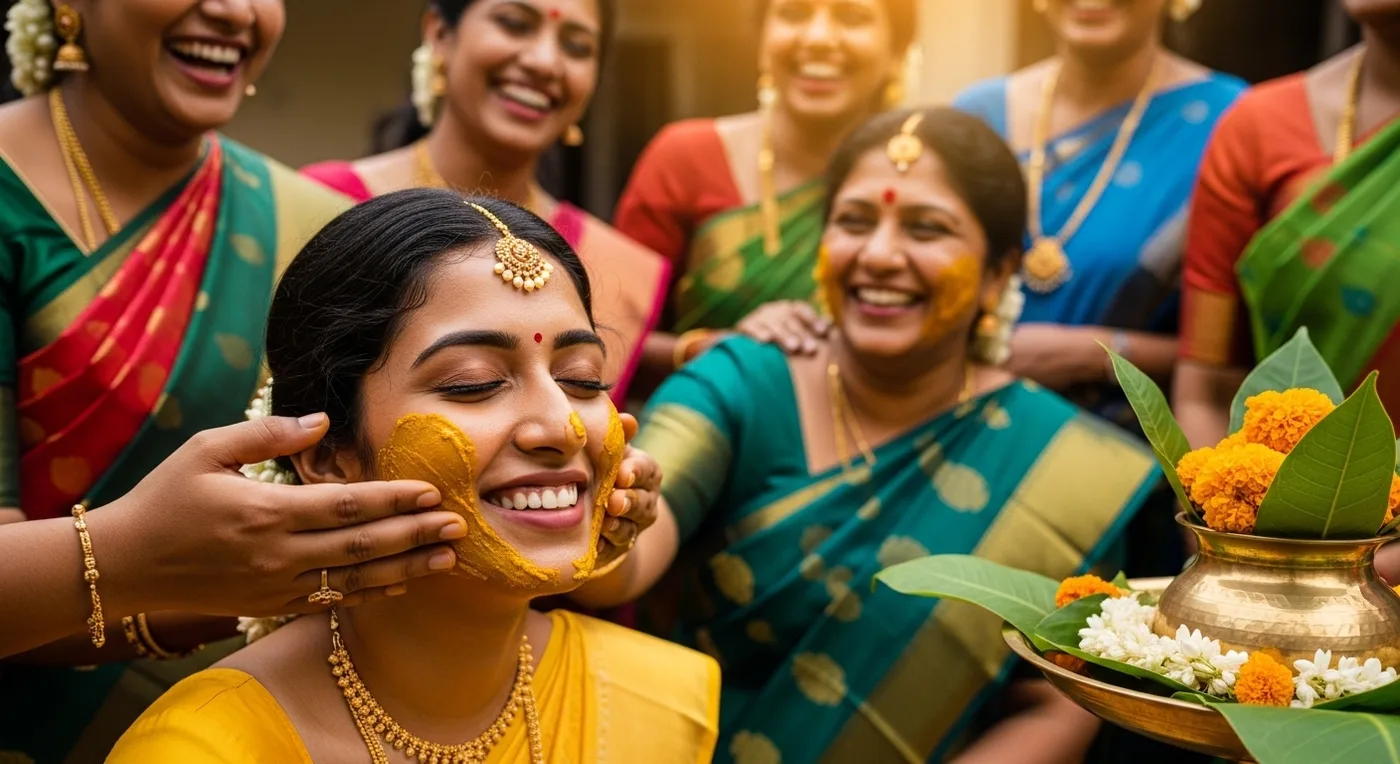
The Mylanchi ceremony is the Hindu henna night, traditionally held at the bride's home on the evening before the wedding. The word mylanchi is the Malayalam term for henna, and this ceremony centres on the application of henna paste to the bride's hands and feet by married women in the family — particularly the bride's maternal aunts and elder sisters.
In its traditional form, the Mylanchi is an intimate women-only gathering. The bride sits on a decorated stool or peetham, surrounded by family women who take turns applying henna while singing folk songs. Brass lamps are lit, and the atmosphere is warm and familial rather than performative. In Palakkad and Thrissur districts, it is common for the henna to be applied with a simple stick or cone, using fresh ground henna mixed at home.
In 2026, however, the Mylanchi has evolved considerably. Professional henna artists now create intricate Arabic, Rajasthani, and fusion designs. Many brides incorporate their love story or wedding date into the design. The ceremony itself has expanded — some families now invite male relatives and friends, add music or a DJ, and treat it as a pre-wedding celebration rather than a quiet ritual.
Typical cost: Professional bridal henna: ₹3,000 – ₹25,000 depending on design complexity and artist reputation. Full Mylanchi event with decorations, food, and music: ₹30,000 – ₹2,00,000. For design inspiration, artist selection tips, and aftercare advice, see our dedicated Kerala wedding mehndi and henna guide.
Looking for Makeup Artists?
Tell us what you need and get quotes from verified makeup artists
Nandi Muhurtham (Pre-Wedding Puja)
The Nandi Muhurtham is performed at both the bride's and groom's homes on the morning of the wedding day or the evening before. This puja is an invocation to ancestors and deities, seeking their blessings for the upcoming marriage. A priest performs the rituals, which include offerings of rice, flowers, turmeric, and coconut. The family gathers around the nilavilakku (brass oil lamp) as mantras are chanted.
This is one of the quieter pre-wedding rituals, but families in Kozhikode and Kannur regions treat it with considerable reverence. It is the last ritual the bride and groom perform as unmarried individuals in their respective family homes.
Typical cost: Priest fees and puja materials: ₹2,000 – ₹10,000.
Christian Pre-Wedding Rituals
Formal Engagement and Ring Blessing
The Christian engagement in Kerala is a more ecclesiastical affair than its Hindu counterpart. For Syrian Christian families (both Orthodox and Jacobite), the engagement typically takes place at the parish church or church hall, with the priest officiating. The ceremony opens with prayer and scripture readings, followed by the blessing and exchange of rings. The Banns of Marriage — the public announcement of the intended union — are read out on three consecutive Sundays before the wedding, and the engagement ceremony initiates this process.
In many Catholic parishes across Kottayam, Idukki, and Ernakulam, the engagement is a significant social event with 200-400 guests, a full meal, and increasingly, professional photography and videography. The timing is notable: Christian engagements are often held 6-12 months before the wedding because popular churches in Pala, Changanassery, and Muvattupuzha require extensive advance booking.
For a deeper look at the engagement process across all communities, see our engagement ceremony planning guide.
Typical cost: ₹1,00,000 – ₹5,00,000 including venue, catering, rings, and photography.
Chantham Chartal (Bridal Adornment)
The Chantham Chartal is one of the most distinctive pre-wedding rituals in Kerala's Christian community. The term translates to "applying beauty" or "adorning," and the ceremony involves the formal dressing and beautification of the bride by her female relatives on the morning of the wedding day or the evening before.
The bride's maternal aunts, elder sisters, and close female relatives gather to help her into her wedding saree or gown, apply traditional jewellery, and complete the final preparations. In traditional Syrian Christian families, the manthrakodi (the wedding saree gifted by the groom's family) is presented and draped as part of this ritual. The atmosphere is deeply emotional — it is the bride's last intimate gathering with the women of her natal family before she leaves for her new home.
In 2026, many brides have expanded the Chantham Chartal into a bridal getting-ready session with a professional makeup artist and photographer present. The ritual retains its emotional core — the generational gathering of women — while the documentation has become more intentional.
Typical cost: Primarily the cost of the bridal outfit and jewellery presentation. If combined with a professional styling session: ₹15,000 – ₹75,000.
Bridal Shower
The Western-influenced bridal shower has become a mainstream pre-wedding event among Christian families in Kerala, particularly in urban Kochi, Thiruvalla, and Kottayam. Organised by the bride's friends and bridesmaids, it typically takes place 1-2 weeks before the wedding at a restaurant, resort, or the bride's home.
Modern Kerala bridal showers blend Western elements (games, gifts, themed decorations) with local touches — banana leaf-themed party settings, mundu-clad dress codes, and Kerala-inspired cocktails have become popular motifs. The event is usually women-only, though co-ed versions are increasingly common.
Typical cost: ₹15,000 – ₹1,50,000 depending on venue and guest count.
Important
Muslim Pre-Wedding Rituals
Nichayam (Formal Agreement)
The Muslim Nichayam is the formal agreement ceremony where both families confirm the match and finalise the terms of the marriage, including the Mahr — the obligatory bridal gift from the groom to the bride as required by Islamic tradition. The Nichayam typically takes place at the bride's home, with senior male family members and a Qazi (religious officiant) or community elder presiding.
During the ceremony, the Mahr amount is publicly announced and agreed upon. Rings are exchanged, and both families share sweets and a meal — typically biriyani and an assortment of Malabar snacks. In the Malabar region (Kozhikode, Malappuram, Kannur), the Nichayam is a substantial event, often attended by 200-500 guests. The grandeur of the Nichayam reflects the family's social standing and community bonds.
Typical cost: ₹1,00,000 – ₹8,00,000 including catering, venue, and gifts. The Mahr itself is separate and varies significantly.
Adakkam (Bridal Gifts)
The Adakkam is the formal presentation of gifts from the groom's family to the bride, typically occurring after the Nichayam and before the wedding. The gifts traditionally include gold jewellery, bridal attire, cosmetics, fruits, sweets, and household items. In Malabar families, the Adakkam is presented in decorated trays (thaalam) — sometimes as many as 21 or 51 trays, each elaborately arranged and carried in a ceremonial procession.
The Adakkam serves a dual purpose: it is both a gesture of the groom's family's commitment and an occasion for the bride's family to host and demonstrate their hospitality. The event is typically accompanied by a feast featuring Malabar cuisine.
Typical cost: ₹50,000 – ₹10,00,000 depending on the jewellery and number of trays. Tray decoration services in Malappuram and Kozhikode charge 500-2000 per tray.
Mailanchi Kalyanam (Henna Night)
The Mailanchi Kalyanam is arguably the most vibrant pre-wedding celebration in Kerala's Muslim community — and in many Malabar families, it rivals the wedding day itself in scale and energy. Literally meaning "henna wedding," this event is held one or two evenings before the nikah at the bride's home or a rented venue.
The ceremony begins with the formal application of henna to the bride's hands and feet. In traditional Malabar practice, the bride's maternal aunt applies the first dab of henna, after which professional henna artists take over to create elaborate designs. But the henna application is just the starting point. The Mailanchi Kalyanam is a full-scale celebration featuring:
- Oppana: A traditional Malabar folk performance where women gather in a circle around the bride, singing mappilappattu (Muslim folk songs) while clapping rhythmically. The bride sits at the centre, eyes downcast, as the women dance and sing blessings for her married life.
- Music and dance: Contemporary Mailanchi celebrations often include professional music, sometimes a DJ, and choreographed group performances by the bride's friends.
- Feast: A lavish spread of Malabar dishes — pathiri, neychoru, chicken and mutton biriyani, and an array of sweets including unnakkaya and muttamala.
In Kozhikode and Malappuram, it is not uncommon for a Mailanchi Kalyanam to host 500-1000 guests. The bride typically wears a heavily embroidered outfit in green or jewel tones, with gold jewellery. The groom's family often sends a separate henna set and gifts for the bride, delivered in decorated trays.
Typical cost: A traditional home Mailanchi: ₹50,000 – ₹2,00,000. A venue-based celebration with professional entertainment for 300+ guests: ₹2,00,000 – ₹7,00,000.
Tip
Looking for Photographers?
Tell us what you need and get quotes from verified photographers
Modern Pre-Wedding Additions
The following celebrations are not rooted in any single community's religious tradition but have become widely adopted across Kerala's wedding culture in the past decade. In 2026, they are as much a part of the pre-wedding experience as any traditional ritual.
Sangeet Night
According to a WedMeGood survey of 2,000+ Indian couples, pre-wedding celebrations like sangeet and mehendi are now among the fastest-growing budget categories across the country. The sangeet — borrowed from North Indian wedding culture — has found a distinctly Malayali interpretation. Rather than the elaborate, multi-day affairs common in North India, Kerala sangeets tend to be a single evening of curated performances, typically held 2-7 days before the wedding.
The format usually includes choreographed group dances by the bride's friends and the groom's friends, sometimes competitive, along with solo or duet performances, family skits, and increasingly, professional emcees who manage the flow. Music ranges from classic Bollywood to Malayalam film songs, with Jimmiki Kammal and Vineeth Sreenivasan tracks remaining perennial favourites.
What makes the Kerala sangeet distinctive is its integration with local culture. Many families hold the sangeet at the same venue as the Mylanchi or Mailanchi, combining the henna ceremony with dance performances. Others keep it separate, hosting it at a resort, rooftop venue, or a decorated terrace at home.
Typical cost: ₹50,000 – ₹5,00,000 including venue, sound system, choreographer fees (if used), decorations, and catering.
Choreographer fees: Professional wedding choreographers in Kochi and Thiruvananthapuram charge 10,000-50,000 for group routines, including 3-5 rehearsal sessions.
Bachelor and Bachelorette Parties
Once considered alien to Kerala culture, bachelor and bachelorette parties have become standard among urban and semi-urban couples. The format varies enormously — from a quiet dinner at a Kochi restaurant to a weekend getaway at a Wayanad or Munnar resort, to an adventure outing (kayaking in Alappuzha, jeep safari in Thekkady).
The important cultural nuance: many Kerala families remain conservative about these events, particularly bachelorette parties. Thoughtful couples keep these celebrations respectful and discreet, focusing on bonding with close friends rather than replicating Western party culture wholesale. The most successful ones I have seen balance fun with sensitivity to family expectations.
Typical cost: ₹10,000 – ₹2,00,000 depending on format. A dinner outing costs 10,000-25,000; a weekend resort stay for 8-12 people runs 50,000-200,000.
Pre-Wedding Photoshoot
The pre-wedding photoshoot has become one of the most anticipated pre-wedding events for Kerala couples. These shoots serve a dual purpose: they produce beautiful images for the wedding invitation, social media, and the couple's personal archive, and they give the couple a relaxed, pressure-free session with their photographer before the hectic wedding day.
Popular locations span the state's diverse landscapes:
- Fort Kochi: Colonial architecture, Chinese fishing nets, and vibrant street art
- Munnar: Tea plantations, misty valleys, and Mattupetty Dam
- Alleppey (Alappuzha): Houseboats, backwaters, and paddy fields
- Wayanad: Banasura Sagar, Edakkal Caves, and lush forest trails
- Athirapally: The waterfall backdrop — dramatic but requires permits and timing
For a detailed look at pre-wedding shoot locations and tips, our Wayanad pre-wedding shoot guide covers one of the most popular destinations.
Typical cost: ₹15,000 – ₹1,00,000 including photographer fees, travel, and basic styling. Premium shoots with outfit changes, drone footage, and cinematic video add-ons can reach 150,000-250,000.
Important
Planning Your Pre-Wedding Ritual Calendar
With so many events to coordinate, the key to a stress-free pre-wedding period is building a clear calendar that accounts for every ritual, booking, and preparation. Here is a practical planning framework:
4-6 Months Before the Wedding
- Finalise the Nischayam / engagement date and venue
- Book the priest, Qazi, or officiant
- Begin horoscope matching consultations (if applicable)
- Start shopping for Dakshina / Adakkam gifts and jewellery
- Book your pre-wedding shoot photographer and discuss locations
2-3 Months Before
- Confirm sangeet venue if hosting separately
- Engage a choreographer for sangeet performances
- Book the henna artist for Mylanchi / Mailanchi Kalyanam
- Plan the bachelor and bachelorette celebrations
- Finalise the pre-wedding shoot date and obtain location permits
1-2 Weeks Before
- Confirm all vendor bookings (henna artist, decorator, caterer, photographer)
- Conduct final sangeet rehearsals
- Prepare the Adakkam trays or Dakshina items
- Coordinate with both families on the Nandi Muhurtham / Chantham Chartal schedule
- Do a trial henna application if using a new artist
Day Before the Wedding
- Mylanchi / Mailanchi Kalyanam / Mehendi ceremony
- Nandi Muhurtham (Hindu families)
- Chantham Chartal (Christian families)
- Final outfit and jewellery check
Tip
Note
Pricing methodology: Cost figures in this guide are based on itsmy.wedding vendor data, family budgets, and market surveys across Ernakulam, Thrissur, Kozhikode, Kottayam, and Thiruvananthapuram (2025–2026). Ranges cover intimate home-based events to large venue celebrations.
Costs at a Glance: Pre-Wedding Budget Summary
| Ritual / Event | Budget Range (2026) |
|---|---|
| Horoscope matching | 500 - 10,000 |
| Nischayam / Engagement | 50,000 - 12,00,000 |
| Dakshina / Adakkam gifts | 25,000 - 10,00,000 |
| Mylanchi / Mehendi (intimate) | 30,000 - 2,00,000 |
| Mailanchi Kalyanam (grand) | 2,00,000 - 7,00,000 |
| Sangeet night | 50,000 - 5,00,000 |
| Bachelor / Bachelorette | 10,000 - 2,00,000 |
| Pre-wedding photoshoot | 15,000 - 2,50,000 |
| Nandi Muhurtham / Pre-wedding puja | 2,000 - 10,000 |
| Bridal shower | 15,000 - 1,50,000 |
For a comprehensive wedding budget breakdown that includes these pre-wedding costs alongside the main ceremony expenses, see our Kerala wedding budget guide.
How Each Ritual Connects to the Wedding Day
One of the most common mistakes couples make is treating pre-wedding rituals as isolated events rather than a continuous narrative leading to the wedding. In practice, every pre-wedding ritual builds emotional momentum:
- Horoscope matching gives the families confidence in the match
- Nischayam makes the commitment public and irreversible
- Dakshina and Adakkam deepen the bond between the two families through generosity
- Sangeet and parties give the couple's friends a role in the celebration
- Mehendi and Mailanchi mark the transition from preparation to ceremony
- Nandi Muhurtham and Chantham Chartal are the final sacred preparations before the couple becomes one
When planned thoughtfully, these rituals create a crescendo of emotion and community that makes the wedding day itself feel like the natural culmination of something that has been building for months. The couples who tell me their wedding "felt complete" are almost always the ones who gave proper attention to every step of this journey — not just the main event.
Understanding the full scope of Kerala wedding traditions and the step-by-step sequence of a traditional Kerala wedding will help you see how these pre-wedding rituals fit into the larger ceremonial arc.
Common Questions About Pre-Wedding Rituals in Kerala
How do I decide which pre-wedding rituals to actually include?
Start with the rituals that are non-negotiable for your family and community — Nischayam, Mehendi or Mailanchi, and pre-wedding pujas are almost always expected across Hindu, Christian, and Muslim traditions. Then discuss with your partner which modern additions (sangeet, pre-wedding shoot, bachelor party) feel meaningful to you both. Do not add events out of social pressure or because they trend on Instagram. Every event you add requires budget, energy, and coordination bandwidth — typically ₹30,000-₹2 lakhs and 2-4 weeks of planning per event. Be intentional and ruthless about what you actually want versus what you think you should want.
Can we combine the Mehendi and sangeet into a single evening?
Yes, and this is increasingly common across Kerala in all communities. The henna application happens in the first half of the evening (roughly 6-9 PM) while the sangeet performances take over the second half (9 PM onwards). This format works particularly well logistically because many of the same guests attend both events, the venue stays the same, and you consolidate catering and decoration budgets. Just ensure the henna artist has adequate time and lighting to complete the bride's design before the energy shifts to music and dance — typically 3-5 hours for full bridal mehndi application needs protected, well-lit time upfront.
What should guests wear to pre-wedding events in Kerala?
For traditional rituals like Nischayam and Mylanchi, Kerala semi-formal is appropriate — sarees or salwar suits for women, mundu-shirt or kurta for men. For sangeet and bridal showers, the dress code is more flexible; many couples specify a theme or colour palette for photographs. For Mailanchi Kalyanam in Malabar Muslim families, guests typically dress in traditional attire with moderate jewellery — heavy bridal-level ornaments are reserved for the wedding day itself. When in doubt, match the formality level to the ceremony's cultural weight: sacred rituals call for traditional attire, while modern additions allow contemporary fashion.
Are pre-wedding rituals the same across all Kerala districts?
No, there are significant regional variations. Malabar districts (Kozhikode, Malappuram, Kannur) Muslim families host far more elaborate Mailanchi Kalyanam celebrations — often with 500-1,000 guests — than their counterparts in central or southern Kerala. Thrissur and Palakkad Hindu families tend to be more traditional in their Nischayam format, often insisting on horoscope matching and temple-linked rituals. Kottayam and Idukki Christian families often have larger, more formal engagements with full-scale dinners for 200-400 guests. Understanding your specific community and regional customs is important — ask family elders for guidance before finalising your ritual list and venue bookings.
When should couples start planning pre-wedding rituals?
Begin planning 4-6 months before the wedding. Book the Nischayam venue and priest 3-4 months ahead — popular venues in Kochi, Thrissur, and Kottayam fill quickly during October-March wedding season. Henna artists for Mailanchi or Mylanchi need 2-3 months of advance booking, with top Malabar artists often booked solid during peak season. Pre-wedding shoots need 6-8 weeks of lead time for location permits (especially at Athirapally, Fort Kochi heritage zones, and Munnar estates) and outfit planning. Sangeet choreographers should be engaged at least 2 months before the event to allow for 5-8 rehearsal sessions across multiple performances.
Tip
Planning a traditional wedding? Our AI Wedding Checklist generates a personalised timeline that includes all the rituals and ceremonies for your specific tradition. Estimate your full budget with the Cost Calculator.
Topics
pre-wedding rituals KeralaNischayam ceremonyMailanchi KalyanamKerala Mehendi ceremonyKerala wedding customspre-wedding shoot Keralasangeet KeralaKerala engagement traditionsExplore more
Frequently Asked Questions
1What are the main pre-wedding rituals in a Kerala Hindu wedding?
2How much does a Mailanchi Kalyanam (henna night) cost in Kerala in 2026?
3What is the difference between Mylanchi and Mailanchi Kalyanam?
4How far in advance should pre-wedding rituals be planned in Kerala?
5Can we combine traditional pre-wedding rituals with modern celebrations in Kerala?
Continue reading
Related Articles
Kerala Wedding Traditions Explained: Rituals, Meaning & Modern Adaptations
Kerala Engagement Ceremony Planning: Nischayam Guide for 2026
Steps in a Traditional Kerala Wedding: Rituals and Practical Notes
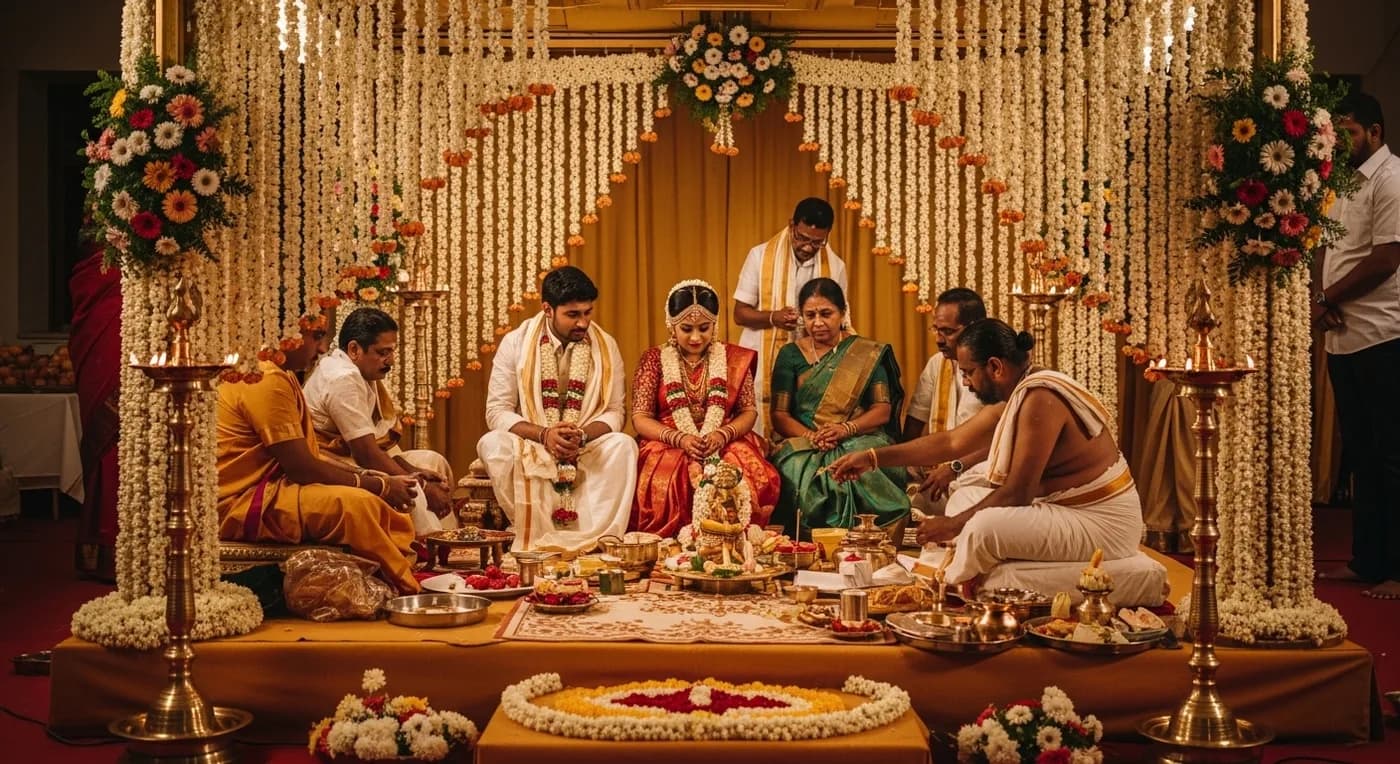
Kerala Wedding Ceremony: Hour-by-Hour Sequence (4 AM-10 PM)
Best Season for South India Destination Weddings: Month-by-Month Western Ghats Guide
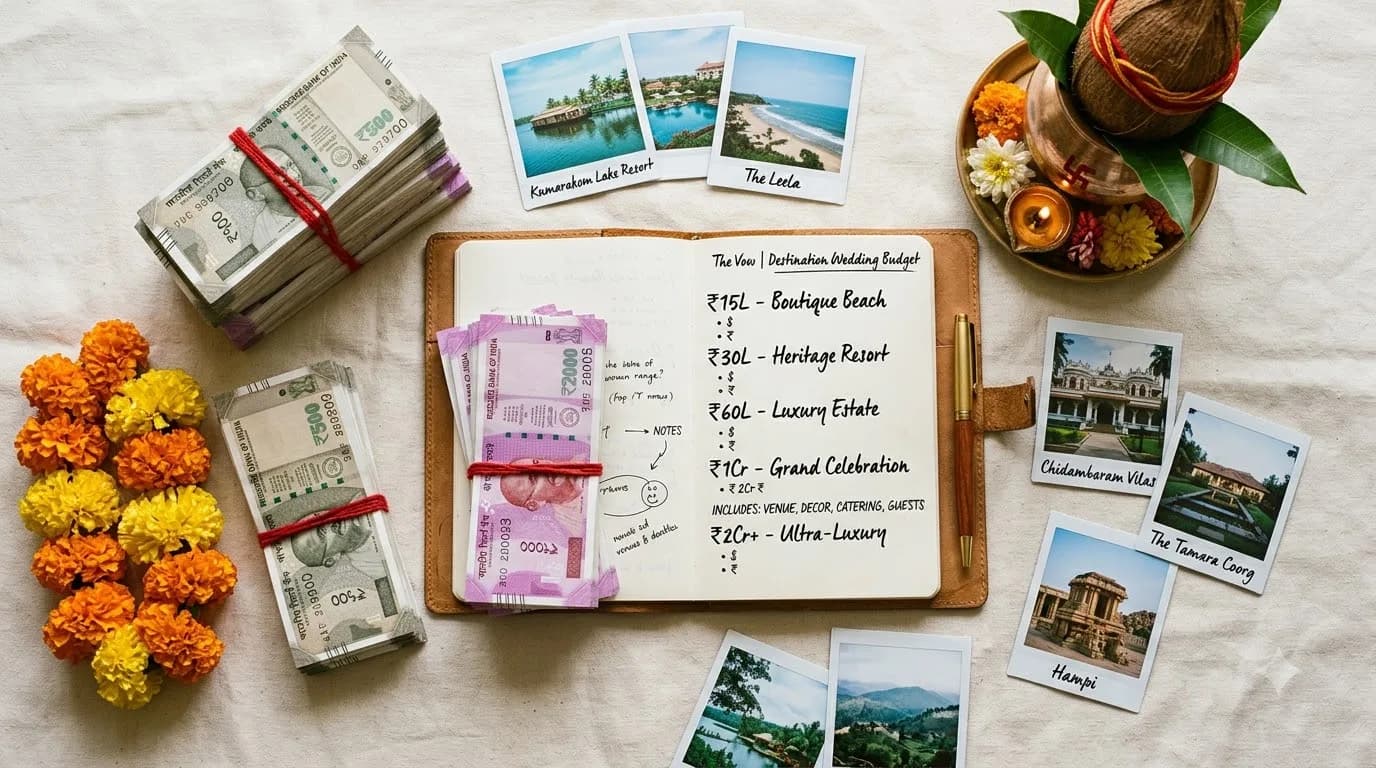
Destination Wedding Cost in South India 2026: 5-Tier Budget Guide
Still planning?
Get quotes from India's best vendors
Tell us what you're planning and we'll match you with verified photographers, venues, decorators, and more.
Get free quotes