
Hyderabad Wedding Traditions: Telugu, Muslim & Multi-Faith Customs Explained
Complete guide to Hyderabad wedding traditions: Telugu Hindu rituals, Hyderabadi Muslim Nikah customs, Christian ceremonies, and multi-faith celebration planning.

On this page
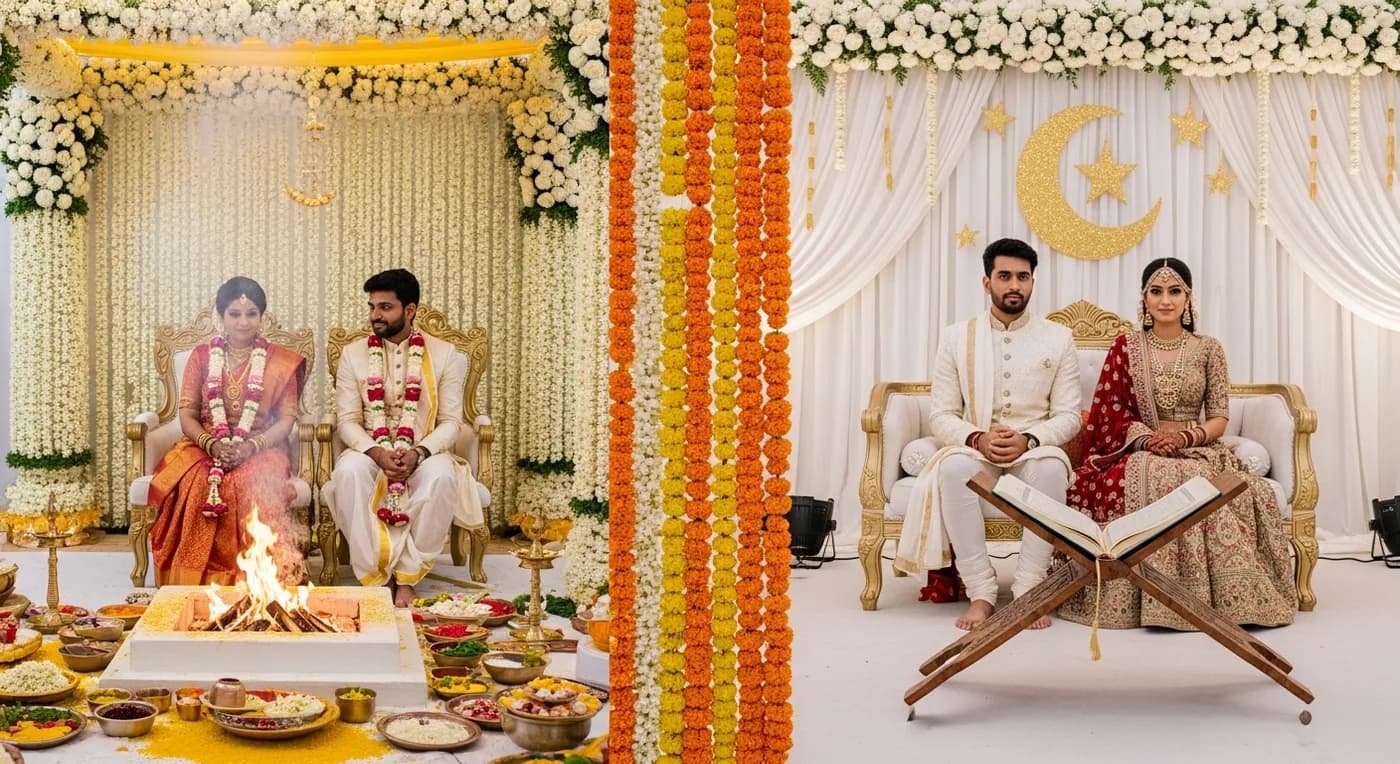
Hyderabad is one of India's only cities where Telugu Hindu ceremonies, Hyderabadi Muslim Nikah traditions, and multi-faith celebrations coexist with equal cultural depth — each shaped by 400 years of Nizami heritage and Deccani culture. From the Jeelakarra Bellam to the Arsi Mushaf, no other Indian city offers this range of wedding traditions.
Quick Answer
Quick answer: Hyderabad is one of India's only cities where Telugu Hindu ceremonies, Hyderabadi Muslim Nikah traditions, and multi-faith celebrations coexist with equal cultural depth — each shaped by 400 years of Nizami heritage and Deccani culture. From the Jeelakarra Bellam to the Arsi Mushaf, no other Indian city offers this range of wedding traditions.
Hyderabad's wedding traditions reflect the city's extraordinary cultural history. For four centuries, the Nizam dynasty ruled the Deccan — creating a unique civilisation where Persian, Mughal, and South Indian traditions merged into something found nowhere else in India. That heritage lives on in how Hyderabad celebrates weddings today, contributing to an Indian wedding industry now valued at ₹10.79 lakh crore.
This guide is a comprehensive overview of every major wedding tradition practised in Hyderabad — Telugu Hindu, Hyderabadi Muslim, Christian, and the growing number of multi-faith celebrations. Whether you're planning your own wedding or attending one as a guest, understanding these traditions adds meaning to every moment.
How Do Telugu Hindu Weddings Work in Hyderabad?
Telugu Hindu weddings are multi-day celebrations rooted in Vedic traditions. The core ceremony follows a prescribed sequence of rituals, each carrying specific symbolic meaning.
The Pre-Wedding Phase
The celebration begins days before the main ceremony:
- Nischitartham — The formal engagement where families exchange gifts, fix the wedding date, and the couple exchanges rings. In Hyderabad, this is increasingly a substantial event in its own right.
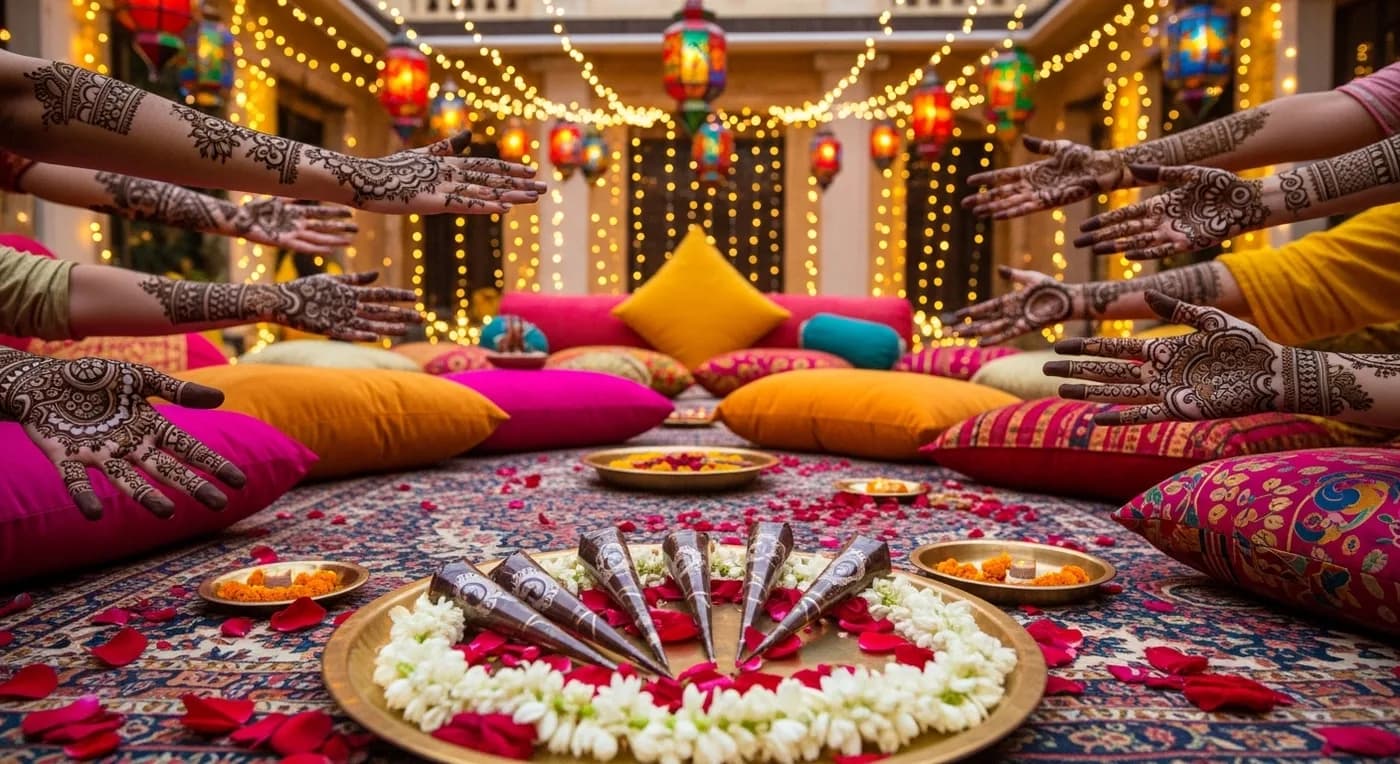
- Pellikuthuru/Pellikoduku — Parallel preparation rituals for the bride and groom. The bride undergoes Nalugu (turmeric application) and Mangala Snanam (ceremonial bath). The groom performs the Kashi Yatra — a playful drama where he pretends to leave for spiritual studies before being convinced to stay for the wedding.
For a detailed walkthrough of every pre-wedding ritual, see our pre-wedding rituals in Hyderabad guide.
The Core Ceremony
The main Telugu wedding ceremony runs 2-3 hours and follows this sequence:
- Vara Puja — The bride's family welcomes the groom, washing his feet with water and milk
- Ganesh Puja — Lord Ganesha is invoked to remove obstacles from the proceedings
- Kanya Daanam — The bride's father formally gives his daughter to the groom — the ceremony's most emotional moment
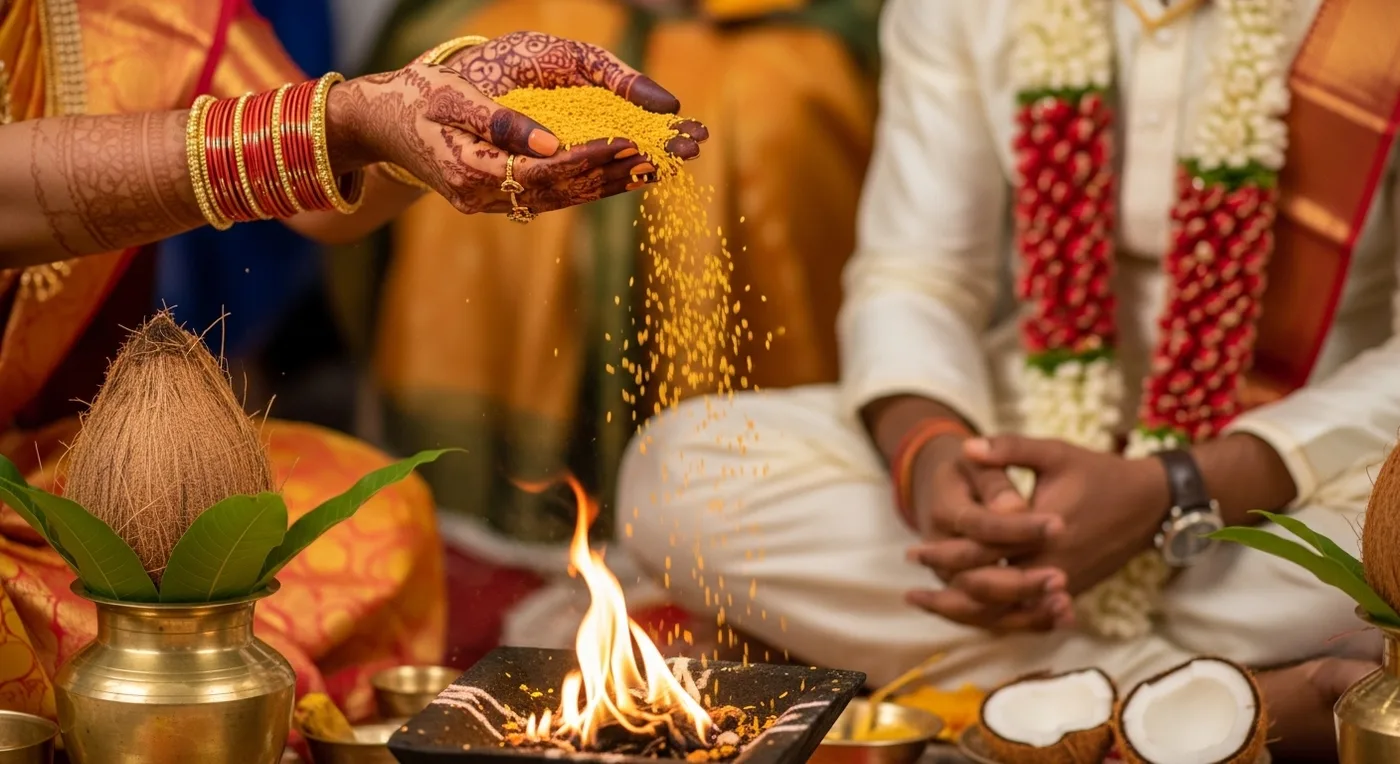
- Jeelakarra Bellam — A cumin-and-jaggery paste is placed on each other's heads, symbolising an inseparable bond. This ritual is unique to Telugu weddings.
- Mangalya Dharanam — The groom ties the sacred Mangalsutra with three knots. This happens at the exact muhurtham time — the auspicious moment calculated by the priest.
- Saptapadi — Seven steps around the sacred fire, each representing a marital vow
- Talambralu — The joyful shower of turmeric-tinted rice, symbolising prosperity. It's competitive, fun, and the most photographed moment.
For a deep dive into each ritual with timing guidance, see our Telugu wedding rituals guide.
Telugu Wedding Attire
The bride wears a pattu (silk) sari — typically Kanchi silk in red, maroon, or gold. Pochampally Ikat saris from Telangana and Gadwal saris from the Telangana-Karnataka border are also popular choices. Bridal jewellery includes temple-style gold pieces: jhumkas (earrings), a maang tikka (forehead ornament), choker necklace, vanki (armlet), and heavy gold bangles. Fresh jasmine (malle puvvu) garlands adorn the bride's hair.
The groom wears a pancha (silk dhoti) paired with a kanduva (shoulder cloth) and a distinctive Telugu-style turban. In Hyderabad, many grooms opt for a silk kurta-pajama or even a sherwani for the reception, blending Telugu and pan-Indian wedding fashion.
Where to shop in Hyderabad:
- Chickpet-style markets in Kukatpally — Affordable silk saris
- Nalli Silks (multiple locations) — Premium Kanchi silk
- Pochampally village (60 km from Hyderabad) — Direct Ikat weaves
- Laad Bazaar — Temple jewellery and bangles
Telugu Wedding Cuisine
The traditional Telugu wedding feast depends on community and family preference:
Vegetarian feast (Brahmin and some Vysya families):
- Pulihora (tamarind rice), Payasam (sweet kheer), Pappu (dal), Sambar, Avakaya (mango pickle), Appadam, Curd rice
- Served on banana leaf in traditional style
Non-vegetarian feast (Reddy, Kamma, and other communities):
- Mutton curry, Chicken curry, Biryani (Hyderabadi influence), Gongura Mutton, Chepala Pulusu (fish curry for coastal Andhra families)
- Often a buffet with multiple live counters
Note
How Do Hyderabadi Muslim Weddings Differ?
Hyderabadi Muslim weddings carry the grace of Deccani Urdu culture, the formality of Islamic tradition, and a culinary heritage centred on Dum Biryani. These celebrations are distinct from North Indian Muslim weddings in several important ways.
The Nikah Ceremony
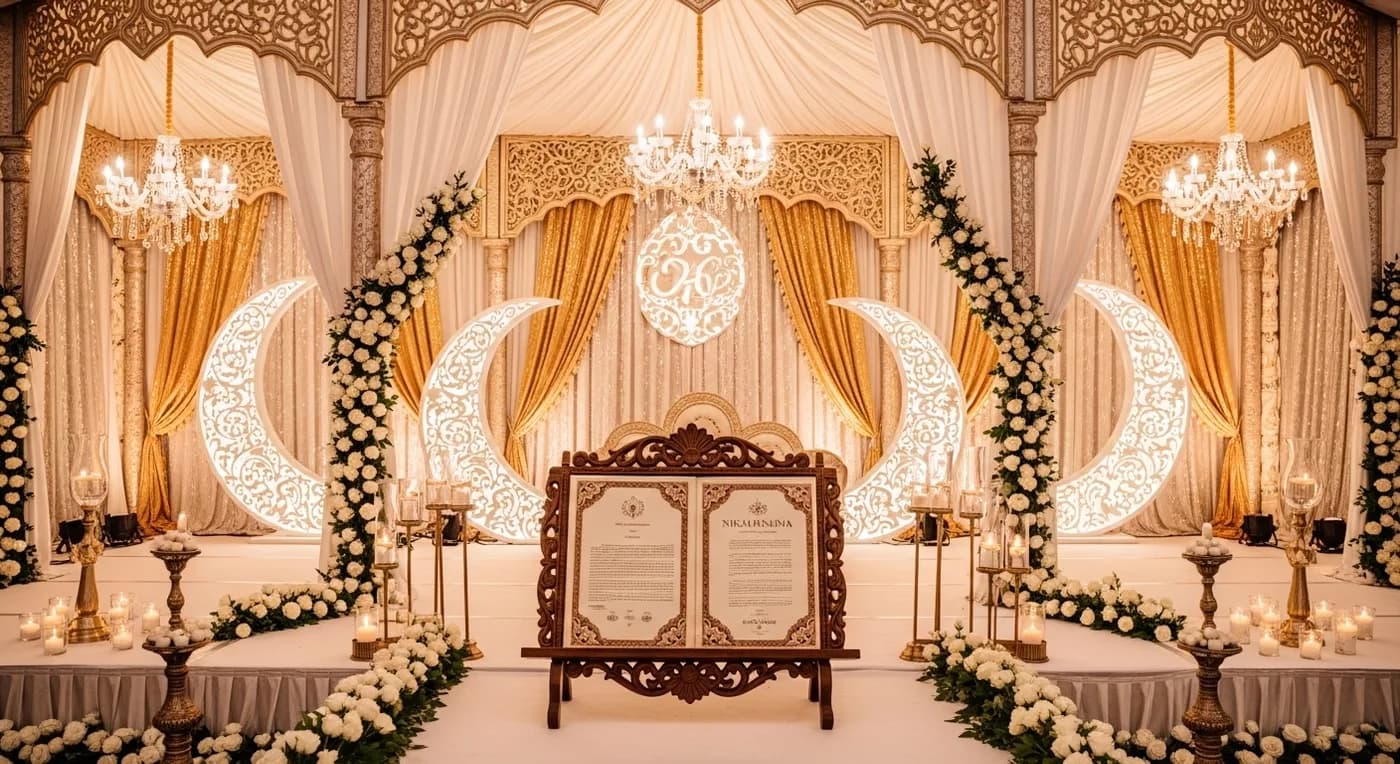
The Nikah is the Islamic marriage contract — sacred and legally binding. Key elements:
- Mehr — The mandatory bridal gift from groom to bride, agreed before the ceremony and recorded in the contract
- Khutba — A sermon by the Qazi on marriage in Islam
- Ijab-o-Qubool — The formal proposal and acceptance, with the groom saying "Qubool hai" three times
- Nikahnama — The written marriage contract signed by both parties and witnesses
What makes a Hyderabadi Nikah distinctive is the cultural layer on top of the Islamic requirements:
- Arsi Mushaf — The mirror ceremony where the couple sees each other's reflection for the first time after the Nikah, with a Quran placed above the mirror. This tradition is unique to Deccani Muslim culture.
- Jilwa — The formal unveiling of the bride to the groom after the ceremony
- Joota Chupai — The playful shoe-hiding tradition borrowed from North Indian custom but enthusiastically adopted in Hyderabad
For the full ceremony guide, see our Hyderabadi Muslim Nikah guide.
The Khada Dupatta
The Khada Dupatta is Hyderabad's most iconic bridal look — a two-layered ensemble unique to Deccani Muslim culture. It consists of a kurta, churidar, and a large, heavily embroidered dupatta draped in a specific style over the head and body. The draping technique is an art that takes 20-30 minutes and is passed down through families.
Traditional colours are gold, green, ivory, or white with heavy zardozi (gold thread) embroidery. Shopping for a Khada Dupatta starts at Laad Bazaar near Charminar, where dozens of shops specialise in this uniquely Hyderabadi bridal ensemble.
The Walima Feast
The Walima — the grand reception hosted by the groom's family — is where Hyderabadi culinary tradition takes centre stage:
- Hyderabadi Dum Biryani — The centrepiece. Guests judge the entire wedding by the biryani.
- Haleem — Slow-cooked wheat-and-meat stew (especially during Ramadan season weddings)
- Mirchi ka Salan and Baghare Baingan — Essential biryani accompaniments
- Double ka Meetha and Qubani ka Meetha — The signature Hyderabadi desserts
Looking for Caterings in Hyderabad?
Tell us what you need and get quotes from verified caterings
What About Christian Weddings in Hyderabad?
Hyderabad has a small but vibrant Christian community, particularly from the Anglo-Indian, South Indian Protestant, and Catholic traditions. Christian weddings follow church liturgical customs:
Church Ceremonies
Popular churches for weddings include:
- Wesley Church (Secunderabad)
- St. George's Church (Secunderabad) — One of the oldest churches in the Deccan
- St. Joseph's Cathedral (Gunfoundry)
- All Saints Church (Trimulgherry)
Church ceremonies follow the denomination's liturgical tradition — readings, hymns, vows, ring exchange, and the pronouncement. Most churches require at least 2-3 weeks notice for marriage bans (public announcement of the intended marriage).
Reception
Christian wedding receptions in Hyderabad typically feature sit-down or buffet meals with multi-cuisine menus. Anglo-Indian families often serve Western-influenced food alongside South Indian dishes. The reception is usually held at a hotel or banquet hall, separate from the church ceremony.
How Do Inter-Community Weddings Work?
Inter-community weddings are increasingly common in Hyderabad, reflecting the city's cosmopolitan character. The most common pairings:
Telugu Hindu-Muslim Weddings
The typical approach is a two-ceremony format:
- Day 1: Nikah at a mosque or venue, with Islamic traditions observed
- Day 2: Hindu ceremony with selected Telugu rituals (often a simplified version)
Alternatively, some couples create a single blended ceremony that honours both traditions without following either's complete ritual sequence. A good wedding planner experienced with interfaith celebrations is invaluable for choreographing this.
North Indian-Telugu Weddings
With Hyderabad's growing migrant population from North India, these combinations are increasingly common. The typical format is a full Telugu ceremony (which guests from both sides find beautiful and accessible) with North Indian elements woven into the reception — cocktail night, Bollywood-heavy music, and multi-cuisine catering.
Practical Considerations
Tip
- Dietary requirements — If one family is vegetarian and the other isn't, plan separate food stations or a buffet with clearly labelled sections.
- Dress code — Communicate expectations to guests from both communities. Provide guidance in the invitation if traditional attire from either culture is welcome.
- Music — Blend nadaswaram (Telugu) with qawwali (Muslim) or Bollywood with regional music depending on the combination.
- Legal documentation — Inter-faith marriages can be registered under the Special Marriage Act, 1954, which is community-neutral.
What Are the Common Threads Across All Hyderabad Weddings?
Despite the differences in ritual and ceremony, certain elements are universal in Hyderabad:
Biryani Is Non-Negotiable
Regardless of the community — Hindu, Muslim, or Christian — Hyderabadi Dum Biryani appears at almost every wedding feast. It's the city's culinary identity, and no celebration feels complete without it. Even vegetarian weddings often include a vegetable biryani prepared in the traditional dum style.
The Guest Count Is Large
Hyderabad weddings tend to be big. Guest lists of 500-1,000 are common for mid-range celebrations, and prominent families regularly host 1,500-2,000 guests. This shapes every planning decision — from venue capacity to catering logistics to parking arrangements.
Peak Season Is October to February
All communities in Hyderabad share the same peak wedding season — the post-monsoon months from October through February, when the weather is pleasant and auspicious dates (for Hindu weddings) and cultural preferences (for Muslim and Christian weddings) align. Nationally, the November-December window alone accounts for 4.6 million weddings generating ₹6.5 lakh crore in spending.
Jewellery Is a Major Investment
Hyderabad is famous for its pearl and gold jewellery traditions. Telangana's strong manufacturing and services economy supports a thriving artisanal jewellery sector. The Laad Bazaar near Charminar has been a bridal jewellery destination for centuries, offering bangles, temple jewellery, and Hyderabadi pearls that are integral to bridal looks across communities.
Looking for Decorators in Hyderabad?
Tell us what you need and get quotes from verified decorators
For venue selection and budget planning, see our Hyderabad wedding planning guide. For specific ceremony details, explore our dedicated guides to Telugu wedding rituals and Hyderabadi Muslim Nikah traditions.
Tip
Start planning your wedding — generate a personalised checklist with our AI Wedding Checklist, estimate your budget with the Cost Calculator, or create a beautiful digital invitation.
Topics
hyderabad wedding traditionstelugu wedding customshyderabadi nikahtelangana wedding culturemulti-faith wedding hyderabadExplore more
Frequently Asked Questions
1What are the main wedding traditions in Hyderabad?
2What is unique about Hyderabadi wedding traditions compared to other Indian cities?
3Can we blend Telugu and Muslim traditions in one Hyderabad wedding?
4What food is traditionally served at a Hyderabad wedding?
5What are the traditional wedding dress codes in Hyderabad?
Continue reading
Related Articles
Telugu Wedding Rituals Explained: From Pellikuthuru to Talambralu
Hyderabadi Muslim Wedding (Nikah): Traditions, Customs & Planning Guide
Pre-Wedding Rituals in Hyderabad: Mehendi, Haldi & Engagement Customs
Best Season for South India Destination Weddings: Month-by-Month Western Ghats Guide
Destination Wedding Cost in South India 2026: 5-Tier Budget Guide
Destination Wedding in South India: Complete 2026 Planning Guide
Still planning?
Get quotes from India's best vendors
Tell us what you're planning and we'll match you with verified photographers, venues, decorators, and more.
Get free quotes