Choosing the right mehendi artist for your wedding in Hyderabad
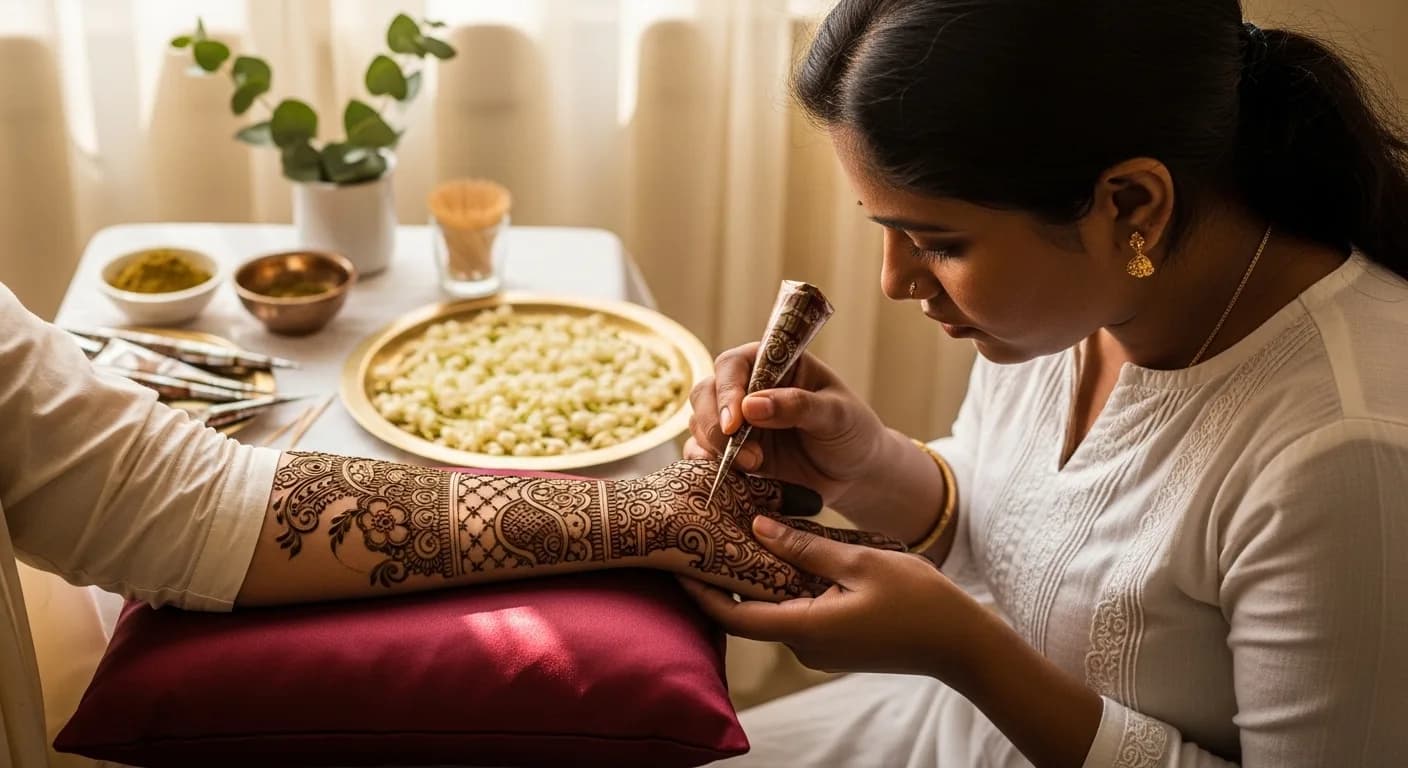
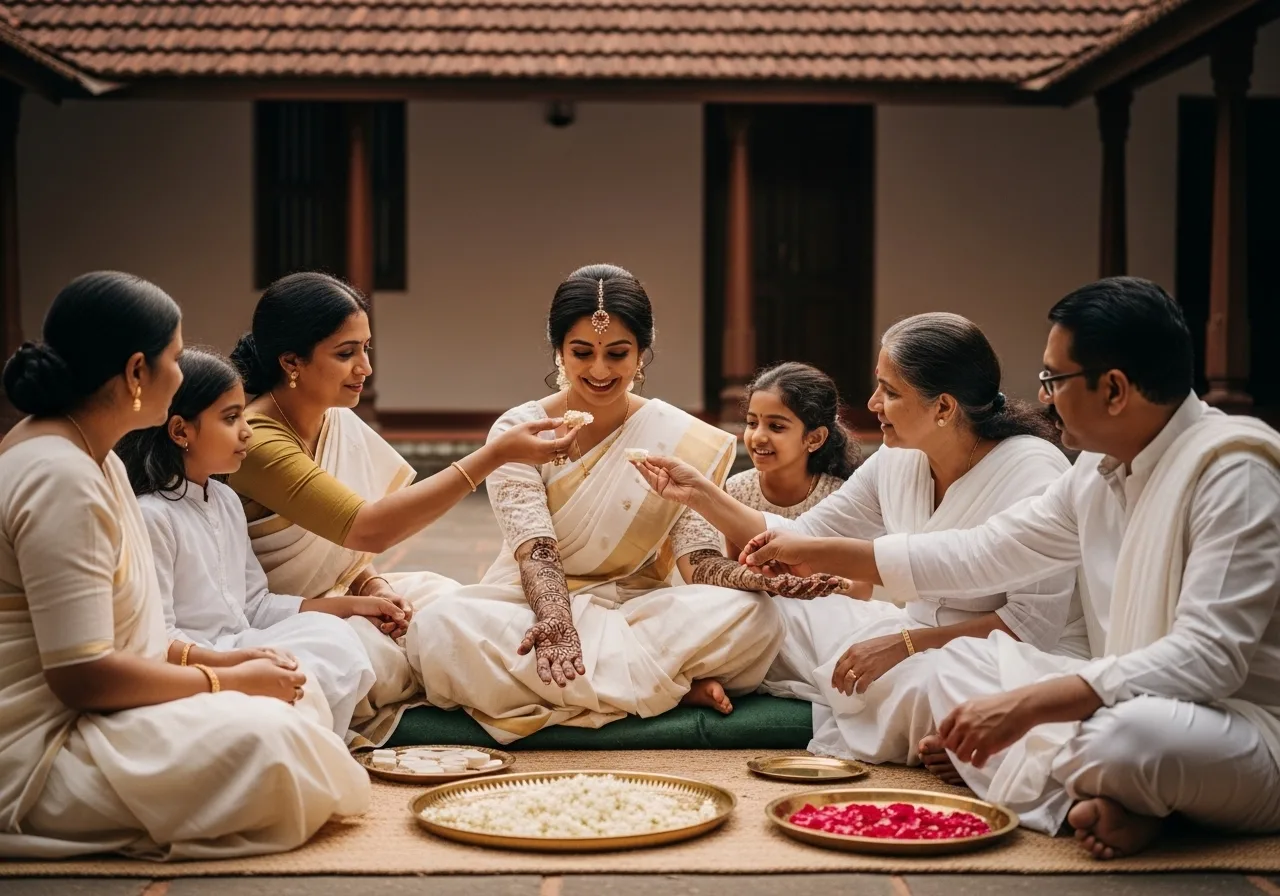
The mehendi ceremony is traditionally held the evening before the wedding in Hindu and Muslim Indian weddings — a private, celebratory gathering for the bride's closest family and friends, often with music, traditional sweets, and the bride's hands and feet being decorated over several unhurried hours. Syrian Christian and Latin Catholic weddings typically skip the formal mehendi ceremony, but brides still apply decorative mehendi for the reception, often in a simpler style that complements the white gown or lehenga. Popular design styles span a wide range: Arabic mehendi with bold floral motifs and empty negative space, Indo-Arabic blending fine mandalas with florals, traditional Rajasthani with dense detailed full-hand coverage, and modern minimalist designs with clean lines and selective placement. The bride's mehendi is a substantial time investment — 3–5 hours for both hands and feet in a fully detailed design — while family members and guests typically take 30–60 minutes each depending on complexity. A skilled mehendi artist in Hyderabad sets up a station, manages the flow of family members through it, and ensures the bride's design dries properly before any touch-ups begin.
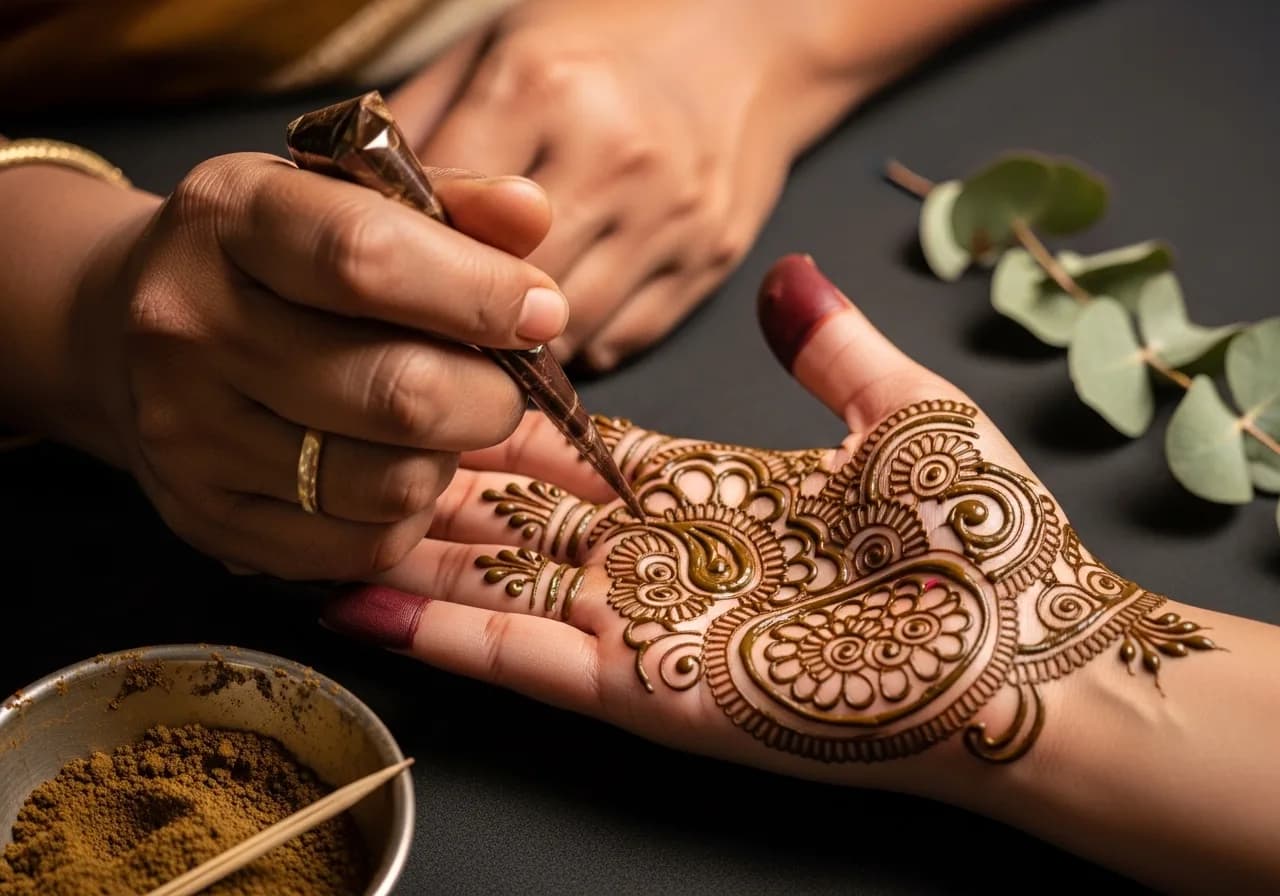
Bridal mehendi in Hyderabad covering both hands up to the elbow and both feet up to the mid-calf in an intricate traditional design typically costs ₹5,000–₹25,000 depending on the artist's reputation, design complexity, and whether imported cones or organic henna are used. Family and guest mehendi packages covering 20–50 attendees usually run ₹15,000–₹50,000 as a bundled rate, with most artists bringing 2–3 assistants to handle the volume. Organic natural henna — no chemicals, no artificial dyes, just ground henna leaves with essential oils and sugar water — costs 20–40% more than commercial cone henna but is substantially safer for sensitive skin and produces a richer, more durable stain. For destination weddings at Kumarakom, Kovalam, Varkala, or Wayanad, most mehendi artists travel and charge for transport, accommodation, and a per-day rate on top of the session fee. Many of the most sought-after mehendi artists serving Kerala weddings are actually based in Hyderabad, Mumbai, Bangalore, and Kozhikode — they travel extensively, book 6+ months ahead for peak-season dates, and often quote in a higher price band than purely local artists.
Schedule a trial mehendi 3–4 weeks before the wedding — henna stain darkness depends on individual body chemistry (pH balance, skin warmth, aftercare), and a trial lets you preview the actual colour your skin will produce. Avoid chemical black henna (often marketed as "safe black" or "instant black") — it contains paraphenylenediamine (PPD), a chemical that causes severe allergic burns and permanent scarring in a significant percentage of people. Any artist offering black henna in Hyderabad should be disqualified immediately, regardless of their other credentials. Schedule the bride's mehendi to complete at least 12 hours before the ceremony for optimal colour development — fresh mehendi looks pale orange and darkens progressively over 24–48 hours as the stain oxidises. Provide the artist with tea, snacks, water, and a comfortable workspace during the long session — exhausted artists working hungry produce sloppy work, and a well-fed artist who feels respected delivers their best. Confirm upfront whether the artist stays for touch-ups on the wedding day itself or leaves after the mehendi session wraps — some artists include a morning touch-up at the bridal suite in their package, while others charge separately. Finally, discuss how the design integrates the groom's name, the wedding date, or cultural symbols — these small personalised elements are an Indian wedding tradition worth preserving.