Choosing the right bridal wear for your wedding in Kottayam
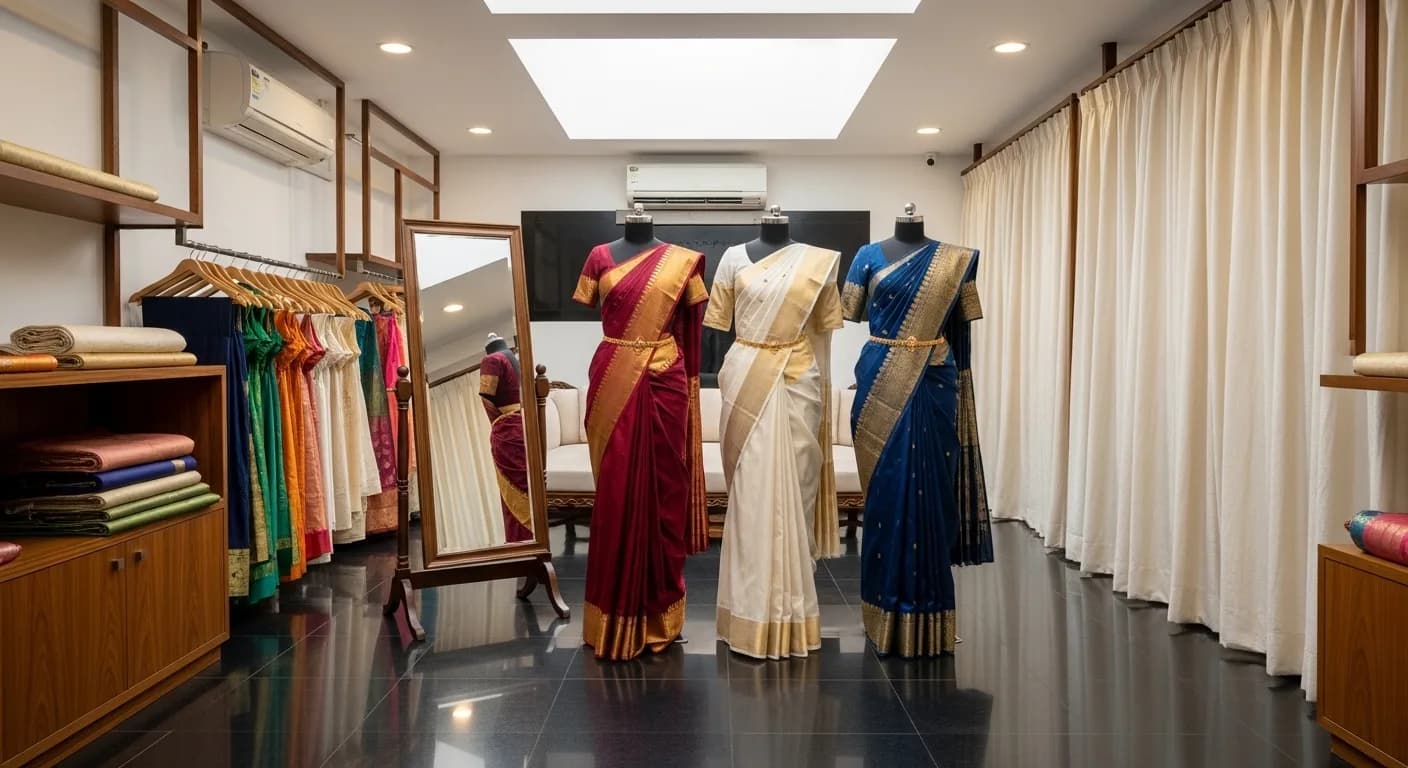
Bridal wear in Kerala sits at the crossroads of community tradition and contemporary fashion, with distinct conventions across religions and a fast-growing appetite for modern crossover looks. Traditional Hindu brides wear the signature Kasavu saree — off-white or cream cotton or silk with a gold zari border — for muhurtham rituals, often paired with a richer Kanjivaram silk saree for the reception. Syrian Christian brides traditionally wear the chatta-mundu (a white blouse with a pleated mundu and a kavani draped over) for the church ceremony, though contemporary brides increasingly choose modern white gowns depending on denomination and family preference. Mappila Muslim brides in Kerala favour ornate heavy lehengas, rich silk sarees, and elaborate gold jewellery, often in deep jewel tones (emerald green, ruby red, royal blue) with heavy zardozi embroidery. Modern brides across communities in Kottayam increasingly mix tradition with contemporary sensibilities — a Kasavu for the muhurtham followed by a designer lehenga or gown for the reception is now a standard two-outfit approach. Major bridal retail clusters in Kerala include Ernakulam (MG Road, Broadway, Marine Drive), Thiruvananthapuram (Statue, Ayurveda College area), Kozhikode (Mittai Theruvu, SM Street), and Thrissur (Round area) — each with distinct specialities ranging from pure zari weavers to designer boutiques to rental-first studios.
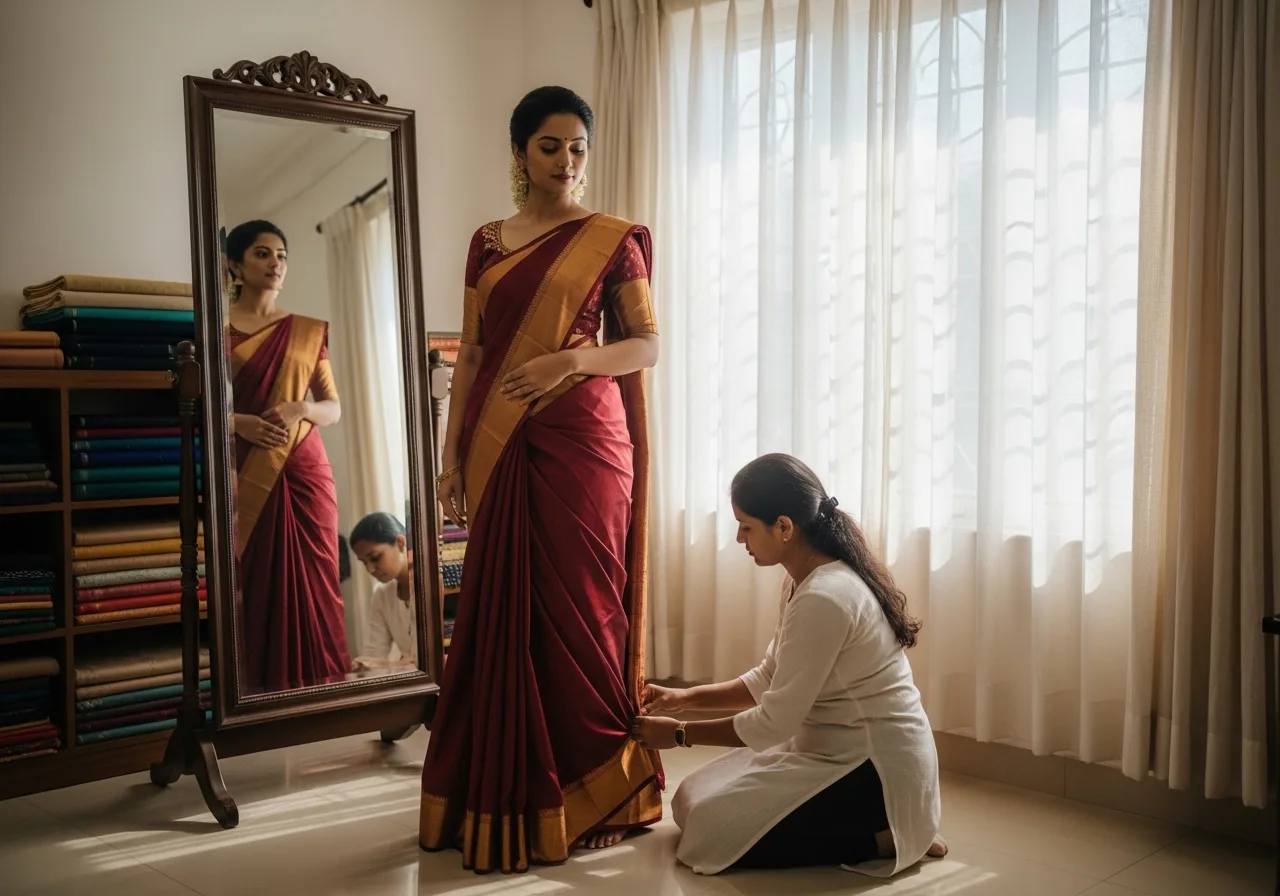
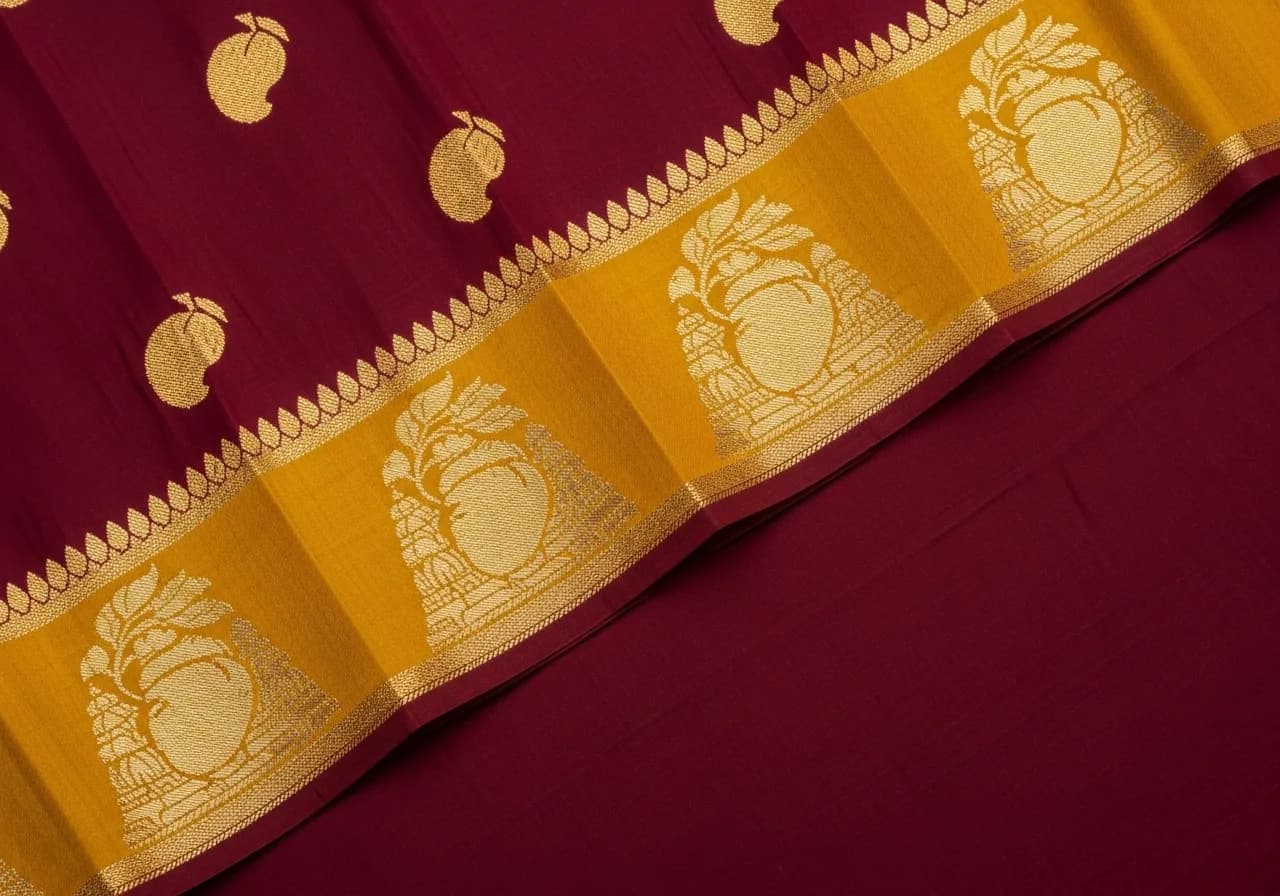
Pure Kasavu silk sarees in Kottayam with genuine zari weaves run ₹15,000–₹75,000 depending on the zari percentage, the weave quality (Balaramapuram, Chendamangalam, and Kuthampully are the three protected GI weaving clusters), and the border width. Kanjivaram silk sarees range widely from ₹25,000 for a solid-colour entry-level weave to ₹2,00,000+ for pure zari with temple motifs, heirloom-quality borders, and contrasting pallu work. Reception lehengas in Kottayam span ₹40,000 for off-the-rack contemporary designer pieces to ₹5,00,000 for heavily embellished custom designs with zardozi, gota patti, sequins, and imported embroidery. Syrian Christian white bridal gowns run ₹30,000–₹3,00,000 depending on the designer, fabric (silk, satin, lace, tulle), and detail level — bespoke designer gowns with hand-beading and train construction sit at the higher end. Alterations, custom blouse stitching with lining and padding, and personal styling typically add ₹3,000–₹15,000 across the full outfit package. If the mother-of-the-bride or sisters want coordinated outfits in matching or complementary palettes, factor in an additional ₹20,000–₹1,50,000 for the family set.
Schedule fittings 8–10 weeks before the wedding — weight fluctuations in the final month before the wedding are extremely common due to stress, diet changes, and last-minute workouts, and earlier fittings give room for alterations without panic. For Kasavu silk specifically, verify the zari purity — pure zari carries a BIS Hallmark and is copper-base silver-wrapped with gold electroplating (not fake metallic thread, which is cheaper but tarnishes fast and looks flat in photographs). Rental versus purchase is a genuine choice worth thinking through: many designer lehengas and reception gowns rent for ₹15,000–₹50,000 for the day versus purchase prices of ₹1,00,000+ — if you're unlikely to wear the piece again, rental makes strong financial sense, particularly for pieces photographed from only one angle. For destination weddings in Kottayam, plan carefully how you'll transport heavy sarees and lehengas — specialised garment bags, desiccant sachets to absorb humidity, and a dedicated porter or wedding coordinator to handle outfit logistics all matter, and rushed last-minute transport has ruined many a wedding outfit. Blouse stitching should be finalised 3–4 weeks before the wedding — last-minute changes and rushed lining work cause fit disasters that are extremely hard to fix on the wedding morning. Finally, always do a full dress rehearsal 7–10 days before the wedding with all accessories, jewellery, footwear, and draped saree — this is the moment to catch any fit, styling, or coordination issues while there's still time to act.
Kottayam's bridal wear market is distinctive for the Syrian Christian chatta-mundu tradition — the traditional white two-piece attire with a fan-pleated mundu and jacket-style chatta top worn by older-generation brides and increasingly by younger brides seeking heritage authenticity. Specialist tailors around Kanjikuzhy, Pala, and Ettumanoor have generations of expertise hand-stitching chatta-mundu sets with the exacting pleat-and-fit specifications this attire demands. For the church ceremony proper, most Kottayam brides now wear white wedding gowns — the boutiques around Baker Junction and Nagampadam specialise in Western bridal gown selection, alteration, and veil work specifically for the structural requirements of church ceremonies (long trains, fitted bodices, chapel-appropriate necklines). The evening reception typically calls for a designer saree or lehenga, and the same boutiques handle these second-outfit needs. For couples wanting Kasavu set-sarees for the betrothal ceremony, the textile houses around Changanassery source from Balaramapuram and Kuthampully weavers.