How to find the right priest for your wedding in Kochi
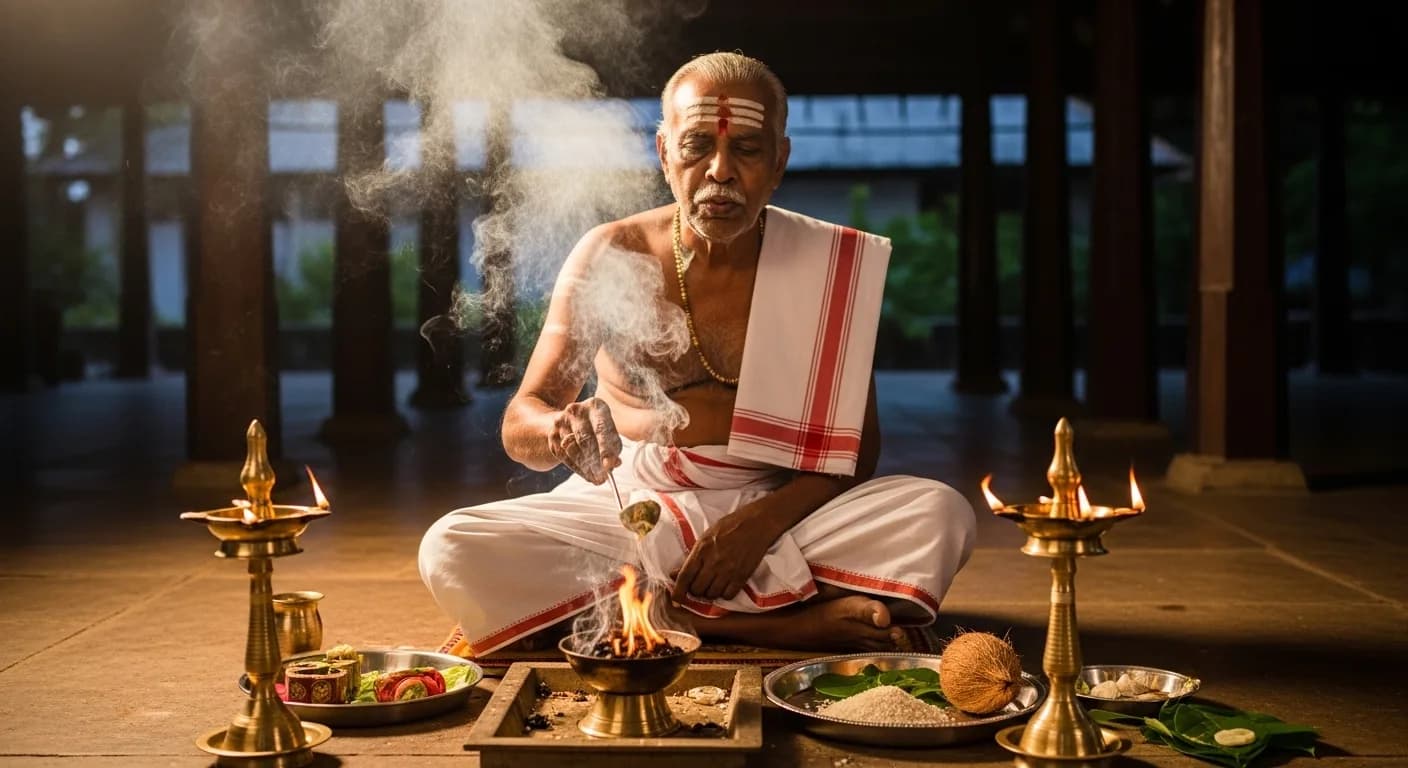
The priest you choose sets the spiritual register of your entire wedding, so fluency in your specific tradition matters far more than general reputation. Kerala's ceremonial traditions are deeply varied — Namboothiri and Nair Hindu rites, Syrian Christian Orthodox, Catholic, and Marthoma liturgies, Latin Catholic nuptial masses, and Sunni or Shia Nikah ceremonies each follow distinct sequences, mantras, and protocols that are not interchangeable. Increasingly, couples in Kochi are blending traditions across communities, which makes a priest who has comfortably officiated inter-faith or multi-tradition ceremonies a genuine asset rather than a rare find. Ask directly about the languages they conduct in — Malayalam and Sanskrit for Hindu rites, Latin or Malayalam for Christian ceremonies, Arabic for Nikah — and whether they are comfortable explaining each step in English if your families include guests from outside Kerala or from the diaspora. Most priests in Kochi are still discovered through word-of-mouth via temple committees, parish networks, and mosque associations rather than online listings, so a quick call to your family priest, local church council, or community elder often opens the door to the right officiant faster than a web search ever will. Take references seriously and, where possible, attend a ceremony the priest is conducting before you commit.
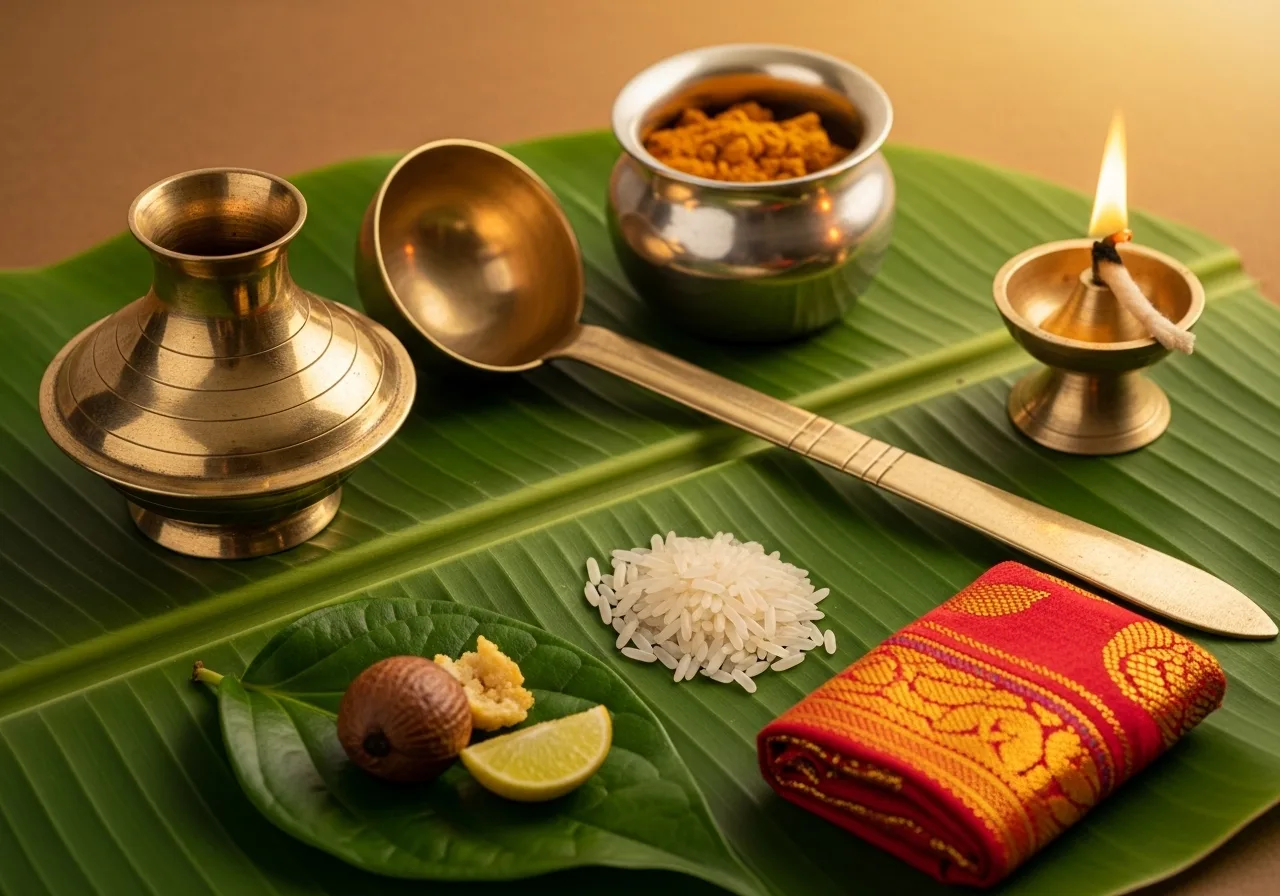
Pricing norms depend heavily on ceremony complexity and the priest's seniority. In Kochi, a full muhurtham typically costs ₹5,000–₹25,000 for Hindu weddings, with senior priests attached to major temples like Guruvayur, Padmanabhaswamy, or Sabarimala (especially during the Mandala pilgrimage season) commanding the higher end of that band. Christian parish priests generally follow diocesan guidelines and do not charge a fixed fee, though a dakshina or church donation in the ₹5,000–₹15,000 range is customary and expected. Nikah officiation by a qazi tends to fall in the ₹3,000–₹15,000 range depending on the masjid and the qazi's standing. Auspicious muhurtham dates get booked 6+ months ahead for sought-after priests in Kochi, and you should explicitly confirm exclusive booking for your muhurtham slot — many priests conduct multiple ceremonies in a single day during peak season, which can lead to visibly rushed rituals if you are not their only booking. Clarify what is included: chanting, ritual guidance, homa or havan materials (which most priests bring themselves), total duration, number of assistant priests, and travel charges if the priest is not local to your venue.
A trustworthy priest will share their temple or parish affiliation, years of experience, and references from recent weddings without hesitation. Be wary of anyone who will not put the ceremony sequence and timing in writing, deflects questions about what specific rituals are included, or refuses to take a trial call with your parents to discuss the flow. For Christian weddings in Kochi, the parish priest has fixed scheduling windows and usually requires pre-marital counselling (Marriage Encounter or a diocesan equivalent) that simply cannot be bypassed — start this conversation at least four months before the wedding date so the paperwork and banns clear on time. For multi-day Kerala celebrations that include a Nischayam, the main wedding, and a reception blessing, confirm the priest's availability across all days and whether the same officiant will handle every event for continuity. Many priests travel to venues outside Kochi — beach resorts in Kovalam, backwater properties in Kumarakom, hill destinations in Munnar, and ancestral homes in remote villages — so agree travel charges, accommodation expectations, and transportation arrangements upfront rather than on the morning of the muhurtham when the family is already stretched.