Choosing the right groom wear for your Kerala wedding in Kozhikode
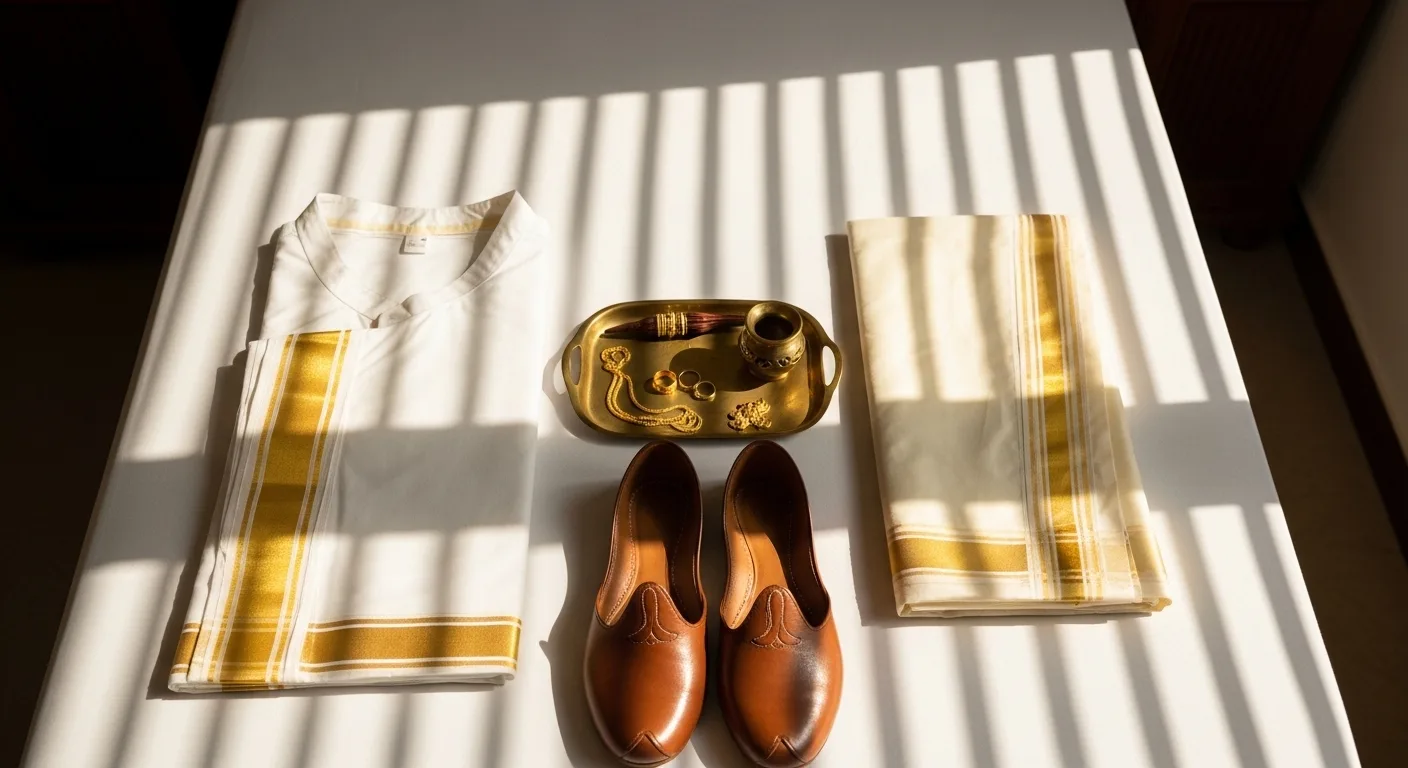
Groom wear traditions in Kerala are less ornate than bridal wear but no less specific, with distinct conventions across communities that shape the muhurtham and reception wardrobe in Kozhikode. Kerala Hindu grooms traditionally wear a crisp white mundu (the double dhoti) with a thick gold Kasavu border, paired with a matching angavastram draped over one shoulder and a cream or off-white silk shirt — the full look is understated but unmistakably regal when worn correctly, and the Kasavu border width (ranging from a modest 4-inch to a wide 8-inch designer border) signals both tradition and budget. Syrian Christian and Latin Catholic grooms typically wear Western formal for the wedding — a well-tailored suit or tuxedo in navy, charcoal, or classic black for the church ceremony, with some families retaining traditional mundu for the Nischayam and engagement events earlier in the week. Mappila Muslim grooms wear elaborate sherwanis or traditional mundu paired with a formal silk shirt, often in ivory or pale gold with subtle zari detailing, accompanied by a silk turban or a pagri tied by a family elder. Reception outfits across traditions are increasingly contemporary — tailored suits, bandhgalas, jodhpuri outfits, and fusion indo-westerns have all become mainstream, and many grooms in Kozhikode deliberately choose a traditional muhurtham outfit paired with a contemporary reception look for photographic variety. Major groom wear outlets in Kozhikode span traditional Kasavu weavers (Balaramapuram, Chendamangalam, Kuthampully GI clusters), designer showrooms in Ernakulam and Thiruvananthapuram, rental specialists who stock sherwanis and bandhgalas, and bespoke tailors who handle full-custom suit work.
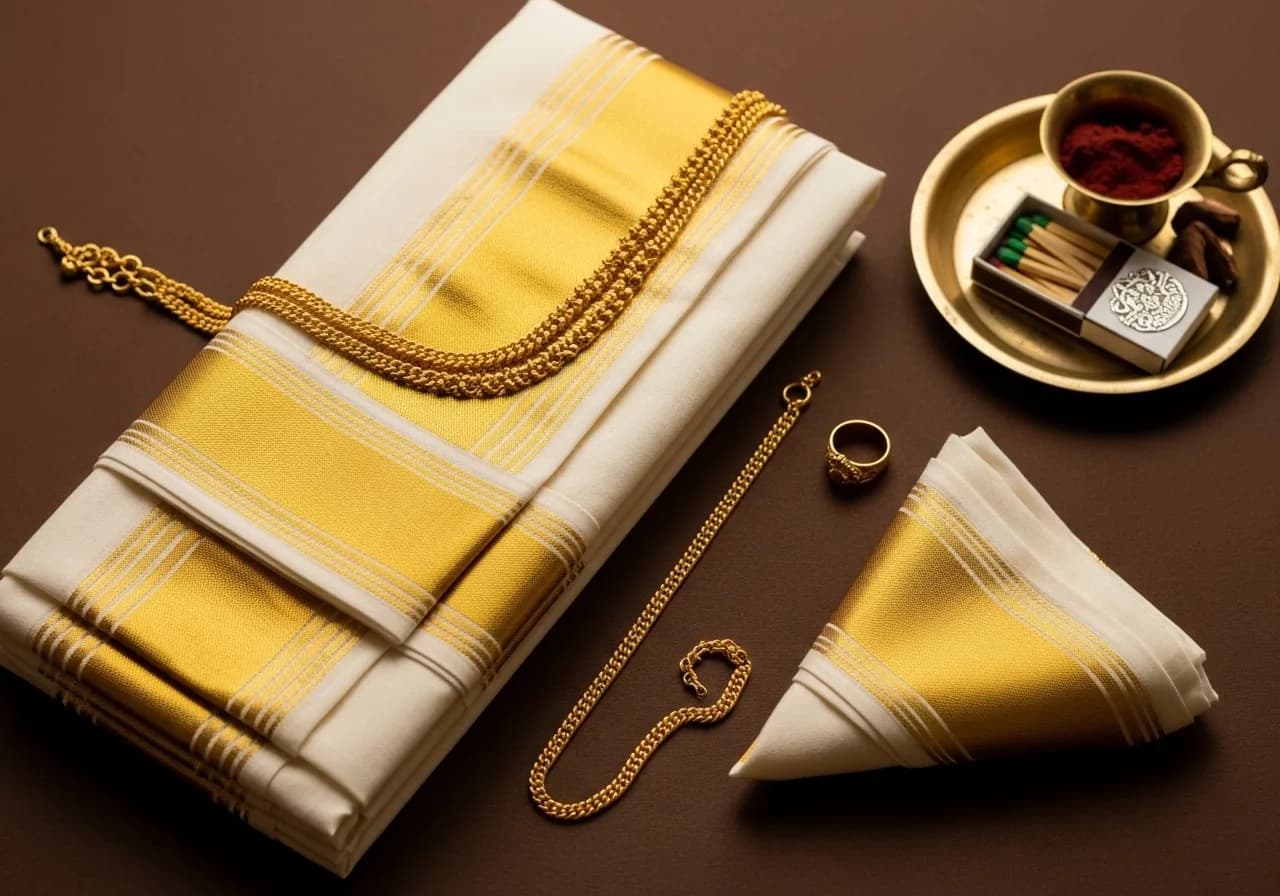
A traditional Kasavu mundu-shirt-angavastram set in Kozhikode with pure silk and genuine gold zari typically costs ₹8,000–₹40,000 depending on the zari percentage, border width, and fabric weave (Balaramapuram pure silk sits at the top of this band). A sherwani for a Mappila Muslim groom runs ₹25,000–₹2,00,000 depending on fabric (raw silk, brocade, velvet), embroidery density, and whether it's off-the-rack or custom — zardozi-heavy ceremonial pieces with hand-stitching and imported fabrics sit at the upper end. A designer bandhgala or tailored reception suit in Kozhikode runs ₹30,000–₹1,50,000 when locally tailored, climbing to ₹1,00,000+ from designer labels (Manish Malhotra, Sabyasachi, Raghavendra Rathore, Shantanu & Nikhil all retail or custom-commission through Ernakulam and Thiruvananthapuram). Rental options are genuinely useful for sherwanis, bandhgalas, and occasionally full Kasavu sets — rental packages run ₹5,000–₹25,000 for a complete outfit held for 3 days, which is financially sensible when the piece would otherwise sit unworn in a wardrobe. Alterations, a matching tie or turban, pocket squares, cummerbunds, and coordinated footwear typically add ₹3,000–₹10,000 across the full outfit package.
Groom fittings should finish 3 weeks before the wedding — weight fluctuations in the final fortnight, particularly during Kerala's pre-wedding function cycle where the groom is eating heavily across multiple events, make last-minute alterations stressful and occasionally impossible. Muhurtham outfits in Kerala need to work in heat: 5 AM and 6 AM ceremony start times mean many weddings in Kozhikode happen before the temple hall has warmed up, but by mid-morning the angavastram-and-silk-shirt combination can get genuinely uncomfortable without the right fabric choices. Pure cotton, silk-cotton blends, and tropical-weight silk all perform substantially better than synthetic blends or heavier raw silks in Kerala humidity. Confirm the tailor's steaming and final pressing schedule — this should happen the day before the wedding at the tailor's workshop, not the morning of at home, because bad steaming compresses pleats and creases that are hard to fix without professional equipment. For Syrian Christian grooms, ensure the suit fits cleanly over any traditional elements required during the church service — some denominations require the groom to wear a vestment or robe over the suit, and a fitted suit that looks great alone may bunch unflatteringly under ceremonial garments. Climate is a meaningful constraint: Kerala humidity is brutal on heavy wool suits, and a traditional worsted wool suit designed for winter weddings in Delhi or Mumbai will leave the groom visibly sweating through mid-afternoon. Linen, tropical-wool blends, and silk-linen fusions are the right call for Kerala weddings — any bespoke tailor in Kozhikode will advise on fabric choices if you share the venue and month upfront. Finally, do a full dress rehearsal 5–7 days before the wedding with shirt, tie or angavastram, shoes, and accessories all in place — this catches fit issues, uncomfortable shoes, and coordination problems while there's still time to fix them.